
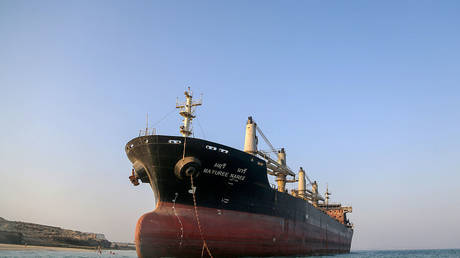
The incident involving the tanker with Indian sailors is not merely a maritime security issue but a reflection of the complex geopolitical landscape of the region.
The Strait of Hormuz, a narrow passage that facilitates the transit of nearly a quarter of the world’s oil supply, has once again become a theater for geopolitical tensions following an incident involving a tanker with 21 Indian sailors. This event not only raises immediate concerns for the safety of crew members but also serves as a poignant reminder of the heightened risks that characterize this strategic waterway.
Factual analysis indicates that the Strait is no stranger to maritime incidents; however, the targeting of vessels in this corridor often reflects larger geopolitical maneuverings. The recent attack can be interpreted as part of a broader trend of aggression in the region, where various state and non-state actors vie for influence. The implications of such confrontations extend beyond immediate security concerns, potentially destabilizing energy markets and international trade routes.
The involvement of Indian nationals in this incident adds an additional layer of complexity, as India maintains significant economic interests in the Gulf region. The Indian government’s response will be closely scrutinized, not only for its humanitarian implications but also for its potential diplomatic fallout. India’s oil imports predominantly flow through the Strait, making the safety of its vessels a national security priority. How New Delhi navigates this incident could set the tone for its future engagements in the region and may influence its bilateral ties with key players.
In a wider context, the increasing frequency of such incidents in the Strait of Hormuz underscores the urgent need for enhanced maritime security measures. Regional powers, along with global stakeholders, must engage in collaborative dialogues to mitigate risks and ensure the uninterrupted flow of commerce. The international community has a vested interest in stabilizing this crucial maritime artery, as any disruption could reverberate across global markets and impact energy prices worldwide.



