
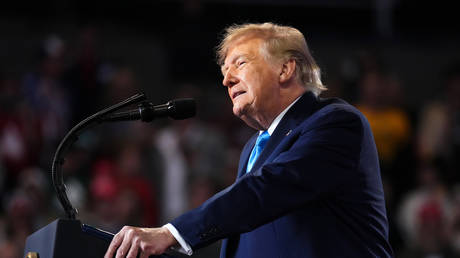
The declarations surrounding peace talks in Ukraine underscore the intricate interplay of domestic and international politics.
The recent assertion by former President Donald Trump regarding 'great progress' in peace talks concerning Ukraine signals a potentially pivotal moment in the protracted conflict that has drawn in global powers and realigned geopolitical alliances. As the war enters its third year, the prospect of a diplomatic resolution offers both hope and skepticism, particularly as the international community grapples with the implications of a shifting U.S. diplomatic posture.
Trump's comments come at a time of heightened tension not only on the battlefield but also within the realm of international diplomacy. The Ukraine conflict, which began in 2014 with Russia's annexation of Crimea, has evolved into a multi-layered crisis involving NATO, the EU, and multiple global actors. As military strategies continue to be tested, the call for peace is becoming increasingly urgent, with humanitarian concerns mounting and economic fallout affecting not just Europe, but the global market.
While Trump's claim may resonate with those weary of conflict, it is crucial to analyze the context of such statements. The former president’s focus on peace talks suggests a potential shift in U.S. foreign policy, particularly if he were to re-enter the political arena as a presidential candidate. This could lead to a reevaluation of the U.S.'s current commitment to Ukraine, which has involved extensive military aid and support. However, the credibility of Trump's assertions about progress must be scrutinized, considering the complexities surrounding the negotiation process and the divergent interests of the involved parties.
The Russian government remains steadfast in its objectives, often showing little inclination towards compromise that would significantly alter its territorial gains. Moreover, European allies continue to navigate their dependency on Russian energy while balancing support for Ukraine. The dynamics of these relationships complicate any claims of progress, necessitating a critical examination of what 'progress' truly entails in this context. Are we witnessing a genuine thaw in relations, or are these merely diplomatic overtures laden with political undertones?
In conclusion, the declarations surrounding peace talks in Ukraine underscore the intricate interplay of domestic and international politics. As the dialogue continues, it will be essential for policymakers to remain vigilant, recognizing that the path to peace is fraught with challenges requiring both strategic foresight and diplomatic finesse.



