
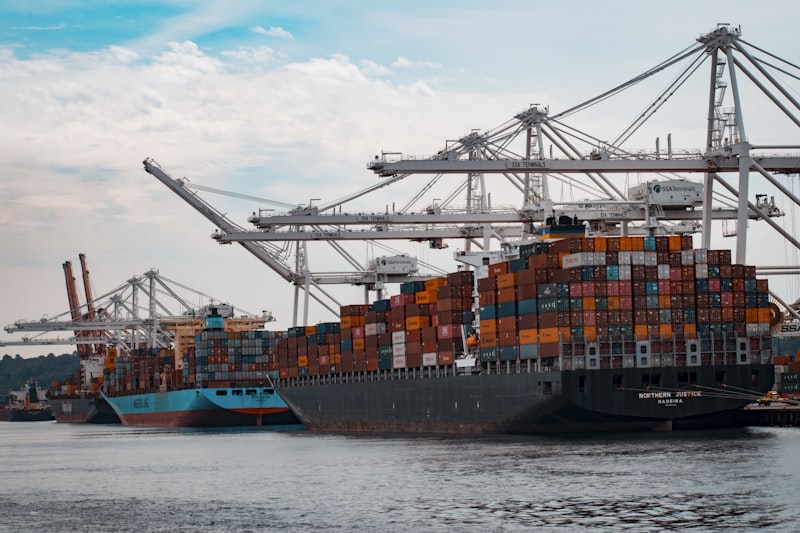
The Strait of Hormuz stands as a pivotal point for global energy security and geopolitical maneuvering, influencing both regional dynamics and international trade.
The Strait of Hormuz, a narrow waterway connecting the Persian Gulf to the Arabian Sea, stands at the confluence of geopolitics and geoeconomics, influencing not only regional dynamics but also global energy markets. Approximately one-fifth of the world’s oil supply passes through this strategic chokepoint, making it a focal point for international trade and a potential flashpoint for conflict. As the stakes rise, understanding the intricate interplay of power, economics, and security in this vital corridor is essential for policymakers.
In recent years, tensions between Iran and the United States, alongside their respective allies, have escalated significantly. Iran's strategic positioning allows it to exert considerable influence over the shipping lanes, and the country has, on multiple occasions, threatened to disrupt passage through the strait in response to economic sanctions and military pressures. Such actions not only threaten regional stability but also reverberate across global markets, affecting oil prices and energy supply chains. The strategic importance of the Strait of Hormuz thus cannot be overstated; it is both a lifeline for economies reliant on oil and a potential battleground for military confrontation.
Beyond the immediate military threats, the geoeconomic implications of the Strait are profound. Countries such as Saudi Arabia and the United Arab Emirates rely heavily on this passage for their oil exports, and disruptions can lead to broader economic ramifications, triggering volatility in global energy prices. The geopolitical landscape in the Gulf is further complicated by the involvement of external powers, including the United States, Russia, and China, each with their own strategic interests in the region. This international dimension adds layers of complexity to the already fraught relations, as these powers navigate their energy security concerns while attempting to balance diplomatic relations.
Moreover, the evolving energy landscape, characterized by a shift towards renewable sources and changing consumption patterns, could alter the geopolitical calculus surrounding the Strait of Hormuz. As nations seek to diversify their energy sources, the reliance on oil may diminish in the long term, potentially reducing the geopolitical significance of this maritime corridor. However, in the short to medium term, the strait remains a critical artery for trade, and its security will continue to be a central focus for both regional and global actors.



