
The current trajectory, driven by a desire to project power, may inadvertently lead to a confrontation that neither side desires.
The ongoing naval operations conducted by the United States in Iranian waters have ignited a complex web of geopolitical tensions, calling into question the principles of national sovereignty and international maritime law. This situation has escalated with the Iranian envoy to the United Nations articulating Tehran's firm stance against what it perceives as a blatant infringement of its territorial rights. This development demands a nuanced analysis, considering both the legal frameworks at play and the strategic motivations behind U.S. actions.
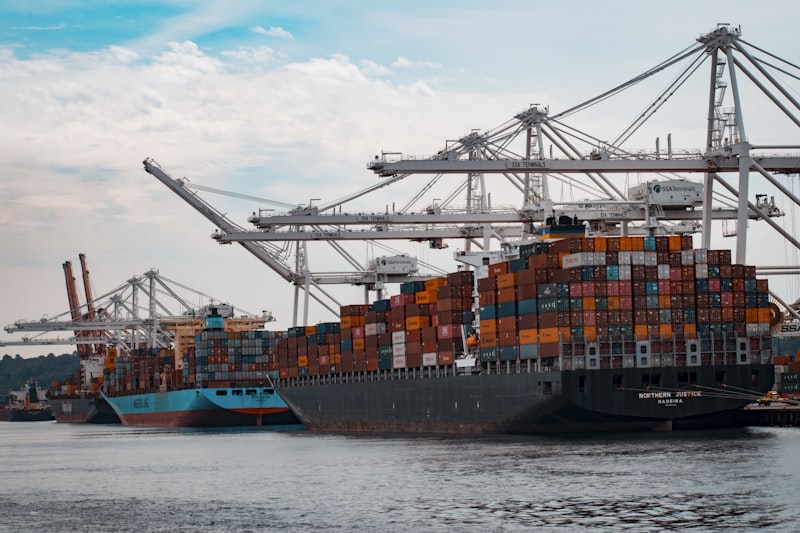
The U.S. naval presence in the Persian Gulf is often framed as a necessary measure to ensure freedom of navigation and to deter aggression from hostile actors. However, this rationale is complicated by Iran's assertion of its sovereign rights over these waters, an assertion backed by international maritime conventions that define territorial seas. The U.S. actions, while justified under the umbrella of maintaining regional stability, are perceived by Tehran as provocative, contributing to an increasingly hostile atmosphere where diplomatic channels have become strained.
Moreover, the implications of such a blockade extend beyond Iran, threatening to destabilize the broader geopolitical landscape of the Middle East. By reinforcing its military posture in the region, the U.S. risks escalating tensions not only with Iran but also with its allies who may be caught in the crossfire of a conflict that could spiral beyond the realm of traditional military engagements. The potential for miscalculation remains high, as both sides navigate a precarious balance between deterrence and aggression.
In light of these developments, it is essential for policymakers to reassess their strategies in the Gulf, prioritizing diplomatic engagement over military posturing. The current trajectory, driven by a desire to project power, may inadvertently lead to a confrontation that neither side desires. A recalibration of U.S. policy that emphasizes dialogue, coupled with respect for Iran's sovereignty, is crucial to mitigating the risks associated with this maritime standoff.



