
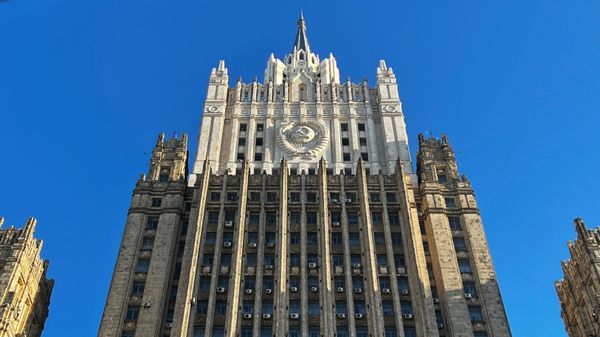
The call for de-escalation from Russia and Kuwait represents a potentially pivotal moment for diplomatic engagement in a region fraught with peril.
The Persian Gulf, a strategic corridor for global trade and energy resources, has increasingly become a flashpoint for geopolitical tensions, notably amidst the backdrop of U.S.-Iran hostilities. In a recent diplomatic overture, Russia and Kuwait have jointly advocated for de-escalation in the region, reflecting a growing recognition of the need for dialogue over conflict.
This initiative is particularly salient given the historical context of the Gulf region, characterized by complex inter-state relationships and a lingering legacy of conflicts. Kuwait, with its unique position as a mediator, and Russia, backed by its geopolitical ambitions and energy leverage, represent an unusual but potentially effective coalition in promoting stability. Their call for de-escalation comes at a critical juncture, as military posturing and aggressive rhetoric have intensified among regional powers, exacerbating fears of miscalculation that could lead to broader hostilities.
Analytically, the continued volatility in the Gulf is driven by several factors, including the nuclear negotiations with Iran, the ongoing presence of U.S. forces in the region, and the shifting alliances prompted by the broader strategic rivalry between Washington and Moscow. The Kremlin has sought to increase its influence in the Middle East, often positioning itself as a counterweight to U.S. policies, while Kuwait aims to maintain its sovereignty and role as a stabilizer in Gulf politics.
In advocating for de-escalation, both nations signal a recognition that dialogue and cooperation may be the most viable route to diminishing hostilities. However, the success of this initiative hinges on the willingness of other regional actors to engage in constructive dialogue, particularly those directly involved in ongoing conflicts. The intricate web of alliances and enmities in the Gulf necessitates a coordinated approach that encompasses not only local states but also external powers with vested interests. As such, the path forward remains fraught with challenges, yet the call for calm from Russia and Kuwait represents a potentially pivotal moment for diplomatic engagement in a region fraught with peril.



