
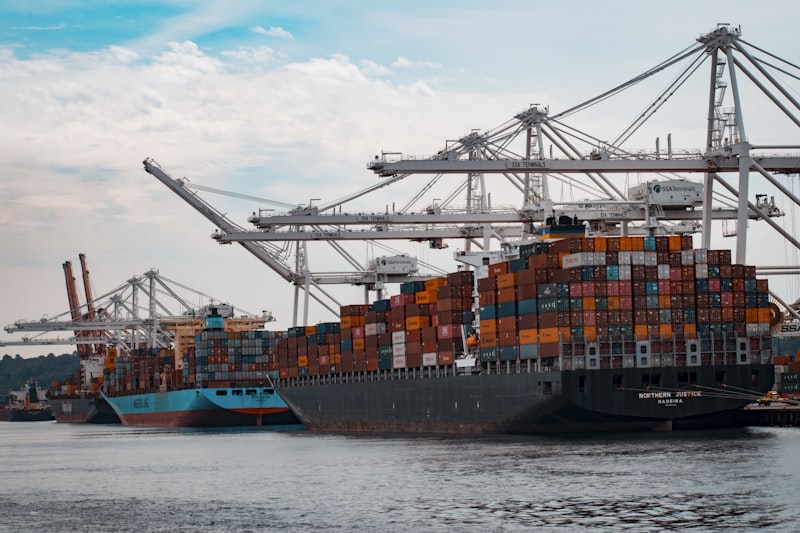
The Northern Sea Route is not merely an alternative but potentially a preferred maritime corridor for international shipping in the face of geopolitical instability.
The geopolitical landscape is shifting as the Northern Sea Route (NSR) gains traction amid escalating tensions in the Strait of Hormuz, a critical chokepoint for global oil transportation. Recent comments from Russia's Deputy Foreign Minister underscore this trend, suggesting that the NSR is not merely an alternative but potentially a preferred maritime corridor for international shipping in the face of geopolitical instability.
The Strait of Hormuz has long been a flashpoint for international relations, with its narrow passage serving as the gateway for nearly one-fifth of the world's oil supply. The increased military presence in the region and the growing threats to maritime security have prompted countries to reassess their strategic shipping routes. In this context, the Northern Sea Route, which runs along Russia's Arctic coast, offers a shorter and potentially safer passage for vessels moving between Europe and Asia.
Historically, the Northern Sea Route has been constrained by harsh weather conditions and ice coverage. However, the effects of climate change are altering the Arctic landscape, rendering this once-challenging route more navigable during the summer months. As ice recedes, the NSR not only cuts shipping times significantly—by around 30% compared to traditional routes through the Suez Canal—but also opens up new opportunities for trade and economic development in the Arctic region.
While the potential for increased traffic through the NSR is evident, it is essential to consider the broader implications of such a shift. Russia, keen to capitalize on this growing interest, has been investing heavily in Arctic infrastructure, including icebreakers and port facilities. This investment is part of a larger strategy to assert control over the region, which is rich in natural resources and offers significant economic prospects. However, the region's burgeoning importance also raises concerns among Arctic and non-Arctic states alike, prompting discussions around governance, environmental protection, and security.
Moreover, the rise of the NSR could exacerbate existing tensions in international maritime law and territorial claims. As more nations recognize the route's strategic value, competing interests may lead to disputes over shipping rights and environmental regulations. The international community must navigate these complexities to ensure that the NSR is developed in a manner that is equitable and sustainable.



