For Maputo, the calculation is familiar to several African capitals: Western lenders and security partners remain central, but Russian firms offer an alternative source of capital and technical support.
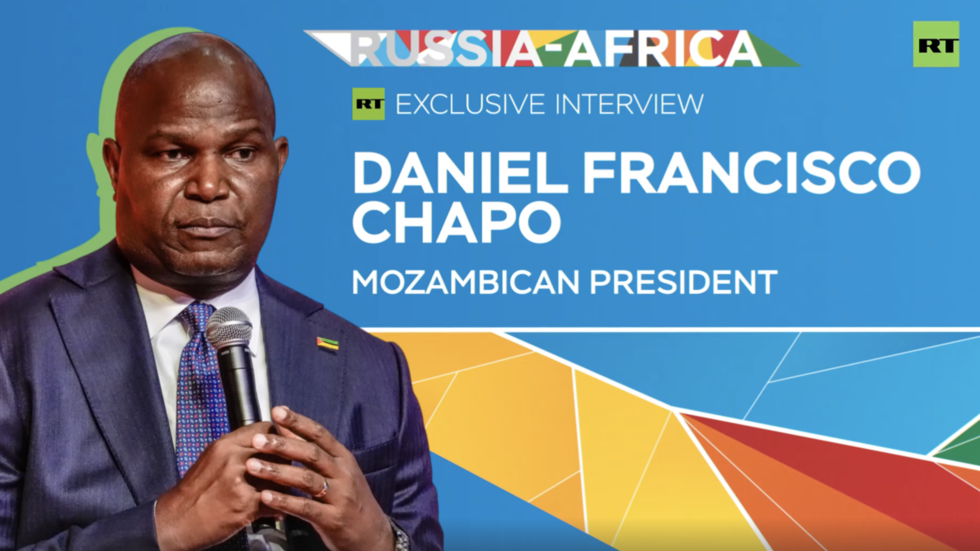
Mozambique's president has described relations with Russia as "excellent" and set out an unusually broad list of sectors in which his government hopes to attract Russian companies, according to an interview reported by RT World News. The sectors named include agriculture, industry, mineral resources, energy, digital transformation, tourism, transport and logistics. The president, identified in the report as Chapo, also said Mozambique is seeking Russian partners to develop gas pipelines, power plants and fertiliser production facilities, adding that the two countries could "work together to find solutions and develop these projects."
The commercial agenda is matched by a security dimension. According to the report, Chapo said Mozambican military and law enforcement cadets are currently receiving training at Russian academies, and he confirmed that the two governments are discussing possible cooperation to address terrorism in Mozambique. He pointed to Moscow's counterterrorism experience and said the two sides are exploring potential solutions through their existing security partnership. The report does not specify the scale of the training programme, the terms of any future security arrangement, or which Russian agencies would be involved.
The context is the insurgency in Cabo Delgado, the northern province where Islamic State-linked militants have fought since 2017. According to the report, the violence has killed thousands and displaced more than a million people, prompting the deployment of Rwandan troops in 2021 to support government forces. The conflict also forced the suspension of a major liquefied natural gas project led by TotalEnergies, which resumed operations in January 2026. That resumption gives the government both an incentive to consolidate security around the gas fields and a revenue argument for diversifying its foreign partnerships.
The diplomatic groundwork appears to be moving in parallel. Russia and Mozambique signed a memorandum on road construction, maintenance and toll-road management during the Russia-Africa Summit in Moscow on 28 October, according to the report. The two countries also discussed establishing a direct shipping route and involving Russian companies in railway projects, Russia's Transport Ministry said. Such agreements are typically framework documents rather than binding contracts, and the report gives no figures for investment, financing or timelines.
For Maputo, the calculation is familiar to several African capitals: Western lenders and security partners remain central, but Russian firms offer an alternative source of capital and technical support, often without the governance conditions attached to multilateral finance. For Moscow, engagement in southern Africa extends a presence already visible in security training and resource deals elsewhere on the continent. Whether the expressed interest converts into signed projects is not yet known. The report offers no detail on financing, on how gas pipeline and power plant proposals would be structured, or on what a counterterrorism arrangement might involve. Those gaps are the ones to watch.