A count of 47 since midnight, attributed to the mayor's own figures, points to repeated waves rather than a single isolated attack.
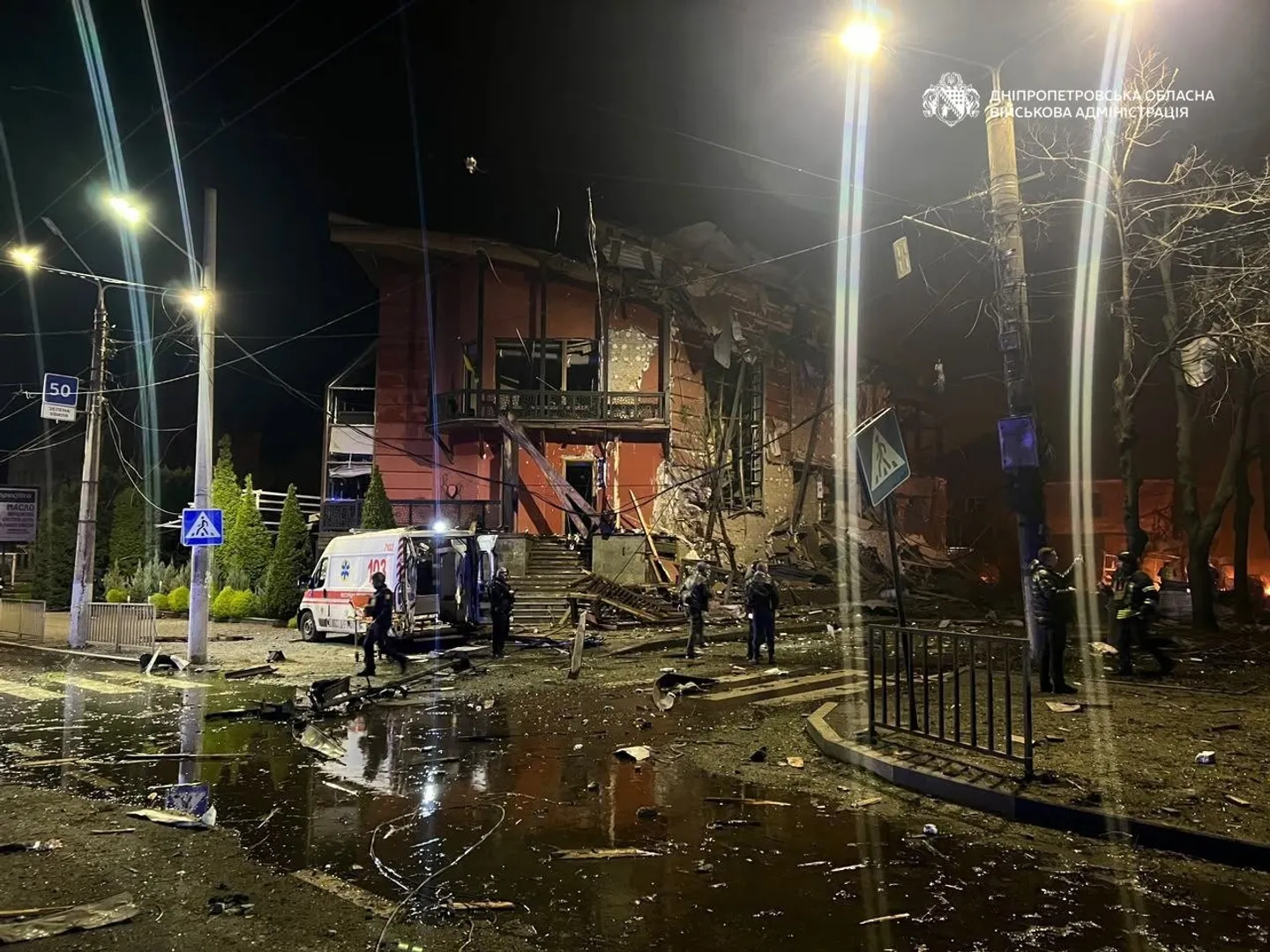
Russian air defences destroyed fifteen more drones heading toward Moscow overnight, the city's mayor, Sergey Sobyanin, said, according to TASS. Writing on the Max social media platform, Sobyanin said emergency response teams were working at the sites where debris fell. TASS, using figures provided by the mayor, calculated that 47 drones flying toward the capital had been destroyed since midnight.
The report gives no detail on where the drones came from, what they were targeting, or whether anyone was injured or any building damaged. It does not say whether the debris caused fires or other disruption, nor whether flights at Moscow's airports were affected. The identity of the attackers is not stated in the material, and no party has been named as responsible. These gaps matter: the significance of such an incident depends heavily on scale, casualties and the nature of the targets, none of which is established here.
What the report does indicate is a sustained flow of drones toward the Russian capital across a single night. A count of 47 since midnight, attributed to the mayor's own figures, points to repeated waves rather than a single isolated attack. The pattern is consistent with the kind of long-range drone campaign that has become a recurring feature of the wider war, in which inexpensive unmanned aircraft are sent toward distant cities to test and stretch air defences. Faultline cannot confirm that characterisation from this report alone, but the volume cited is notable.
The political dimension is equally significant. Officials in Moscow have generally presented air defence interceptions as evidence that the capital is protected, and the mayor's public statements serve that purpose. Yet each reported interception also carries an implicit message: that drones are reaching the approaches to the capital in numbers. For a domestic audience, the balance between reassurance and alarm is delicate, and official communications tend to emphasise the former. Independent verification of the counts is not available from the material provided.
The wider strategic picture is one of attrition. Air defence systems and interceptors are finite resources, and a sustained campaign can force defenders to choose between protecting cities, military sites and front-line forces. Whether the tempo described here represents a deliberate escalation or a routine level of activity cannot be judged from a single report. Nor is it clear what the drones were intended to strike, or whether any got through.
Faultline will follow the official statements and any independent reporting on casualties, damage and the origin of the drones. Until then, the confirmed facts are narrow: fifteen drones reported destroyed overnight, 47 since midnight according to the mayor's figures, and emergency teams at debris sites. The rest remains unconfirmed.