We live out here on the water and we know that we have to save each other.
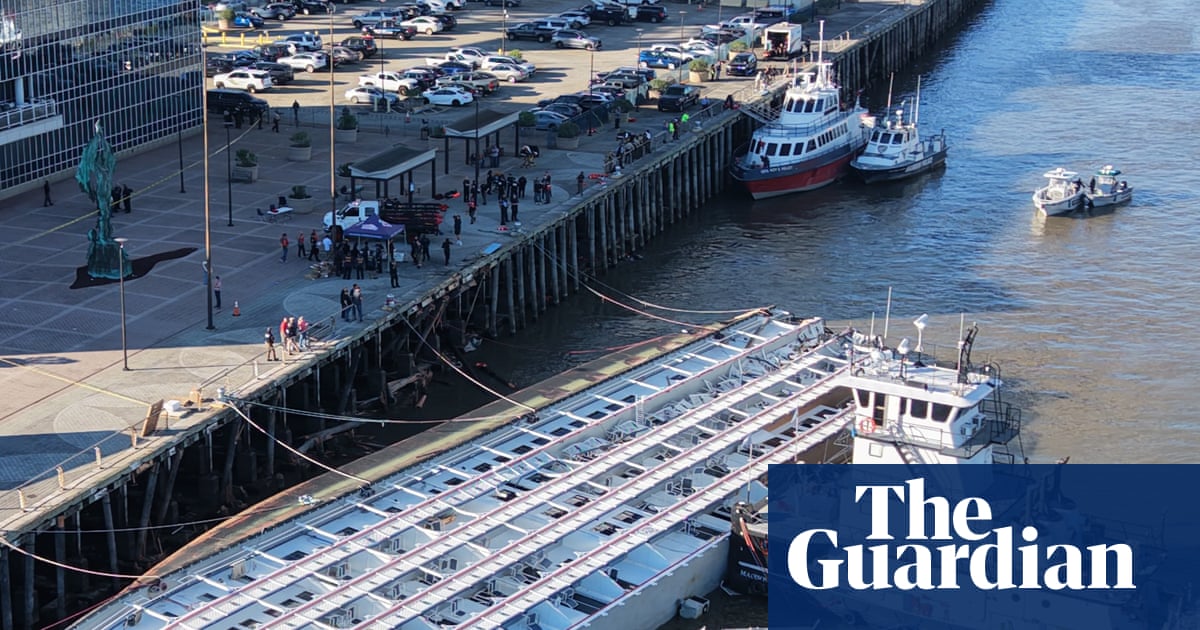
First responders and mariners who took part in what is being called the "Mississippi miracle" have described how about 100 people were pulled from the Mississippi River after a tanker collided with a cruise ship in New Orleans on Friday. According to the Guardian, the collision between the Atlantic Asphalt tanker and the American Heritage riverboat injured more than 30 people. The accounts, given to local outlets including Fox8, WWLTV and Nola.com, trace a rescue that depended on vessels and crews already on the water.
William Brunner, captain-on-watch of the Madison Stone tow boat, told Fox8 that he first heard the tanker's distress call on his radio and judged that only a tow boat could reach the scene in time. When the cruise ship began to capsize, the Madison Stone pushed against it to hold it in place while its five-person crew began taking passengers off. "We live out here on the water and we know that we have to save each other," Brunner said. Captain Ryan Williams, who helped devise a rescue plan as the incident unfolded, said the first goal was to get everybody out. He described hearing screaming from behind the closed glass of a room where four people were trapped, all of whom were freed. The tug boat crew rescued 27 people from the cruise ship in total.
More than 60 New Orleans firefighters were also quick to the scene. Varrick Dyer, captain of the fire department's hazardous materials unit, told WWLTV that his crews train constantly, and had been practising rope rescue on a roof about an hour before the incident. Dyer said they looked first for those most seriously injured, who could not move, swim or help themselves. Many passengers were seniors using wheelchairs or crutches and could not use the firefighters' ladders; they left via a gangway to the dock before the ship capsized and sank. Captain Grant Rodriguez described how quickly conditions changed as the gangway went and the vessel rolled, leaving people shivering in an extremely cold river.
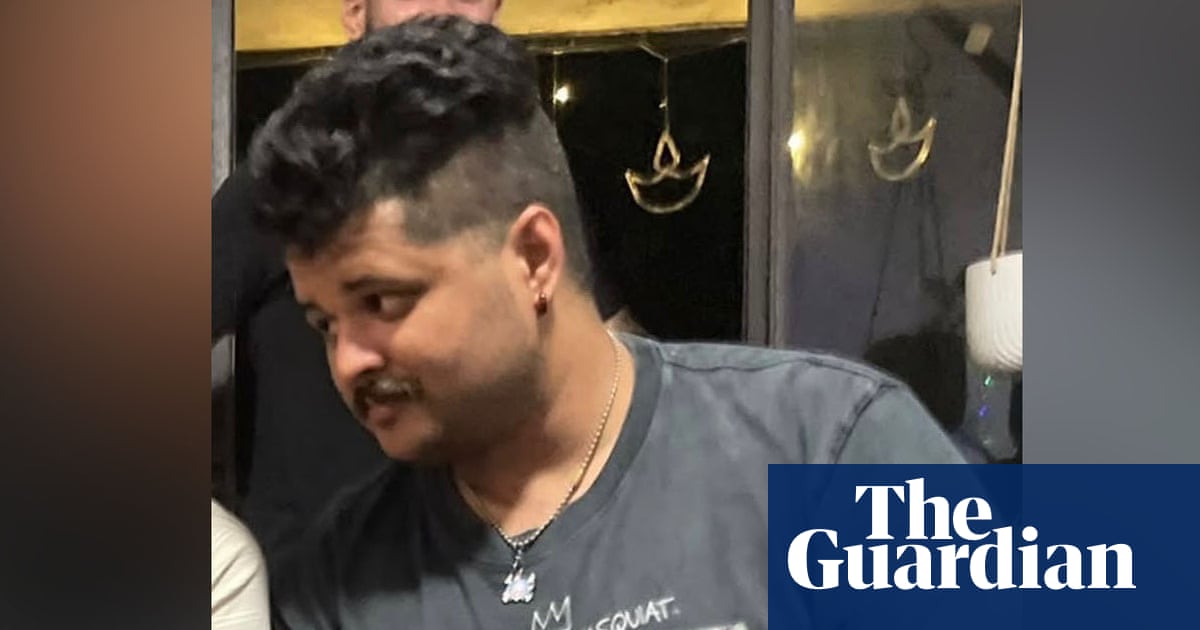
Melanie Montroll, chief of the New Orleans Harbor police, described ordering two officers aboard as the ship began to capsize, knowing the potential outcome, and later wading into the river to pull out the two injured officers, one of whom could not stand. "We don't leave our own," she told Nola.com. The cruise ship's captain, Leonard Stewart, remained on the bridge as the vessel went over, repeatedly calling for help and keeping the boat by the dock so others could disembark. Mayor Helena Moreno said he was the last to leave the ship and thanked him for his bravery.
The accounts point to a rescue shaped by proximity and preparation: a tow boat that happened to be close enough, a fire crew that had been training that morning, and a harbour unit willing to commit officers to a vessel in trouble. What the reports do not yet establish is the cause of the collision, the condition of the injured, or the extent of the damage to either vessel. Those questions will bear on how the incident is investigated and on what lessons the river's commercial traffic draws from it.