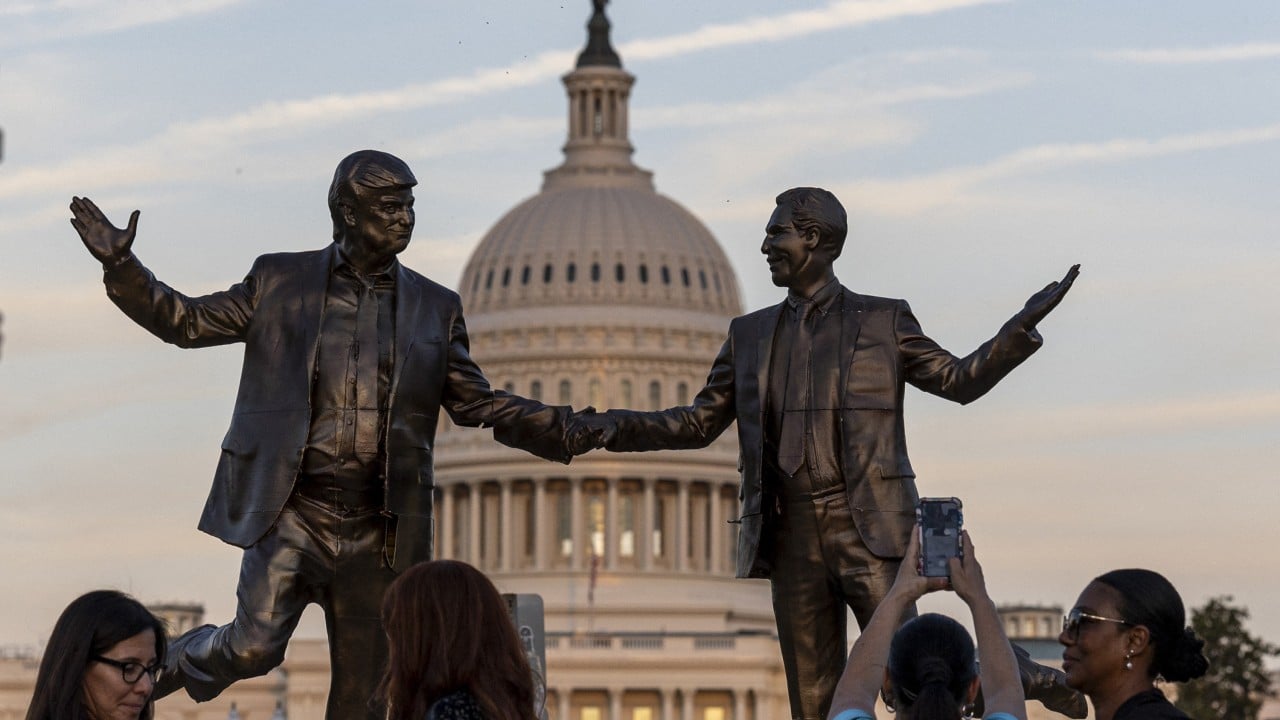
A public feud can divert money and attention from the general election, depress volunteer enthusiasm and hand ammunition to opponents.
The Financial Times reports that a feud in Michigan is threatening Democratic unity in a key Senate race. The headline, published on 31 October 2026, points to internal tensions that could complicate the party's prospects in a contest likely to help decide control of the Senate. No further details were available in the source material.
Because the article itself could not be fetched, the specific nature of the dispute, the individuals involved and the timing of the reported feud are not confirmed. It is not known whether the disagreement centres on candidate selection, campaign strategy, resource allocation or personal rivalries. Nor is it clear how far the rift has spread or whether party leaders have intervened.
What can be said is that Senate races in states such as Michigan are routinely decided by narrow margins, and even a modest erosion of party cohesion can matter. A public feud can divert money and attention from the general election, depress volunteer enthusiasm and hand ammunition to opponents. It can also complicate efforts to consolidate support after a primary.
The report should be treated with caution until fuller details emerge. The FT's headline signals a development worth watching, but it does not establish that the feud is decisive. Readers should look for confirmation of the dispute's scale, the responses of those involved and any evidence that it is affecting polling or fundraising. Until then, the story is a reminder that internal party management remains a live variable in close Senate contests.