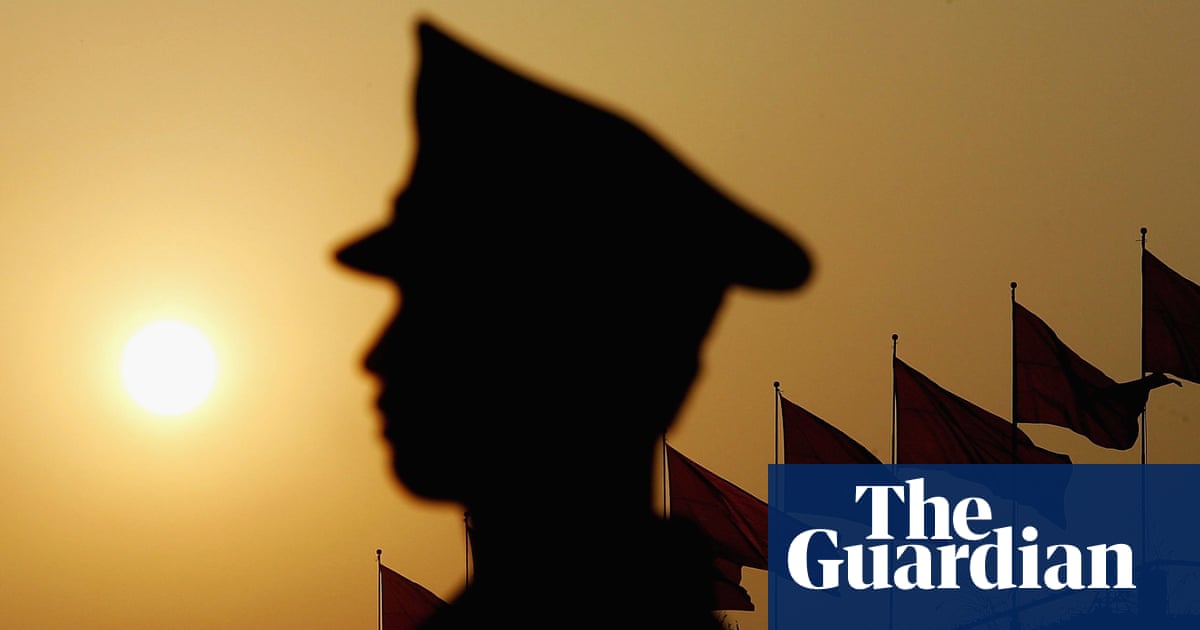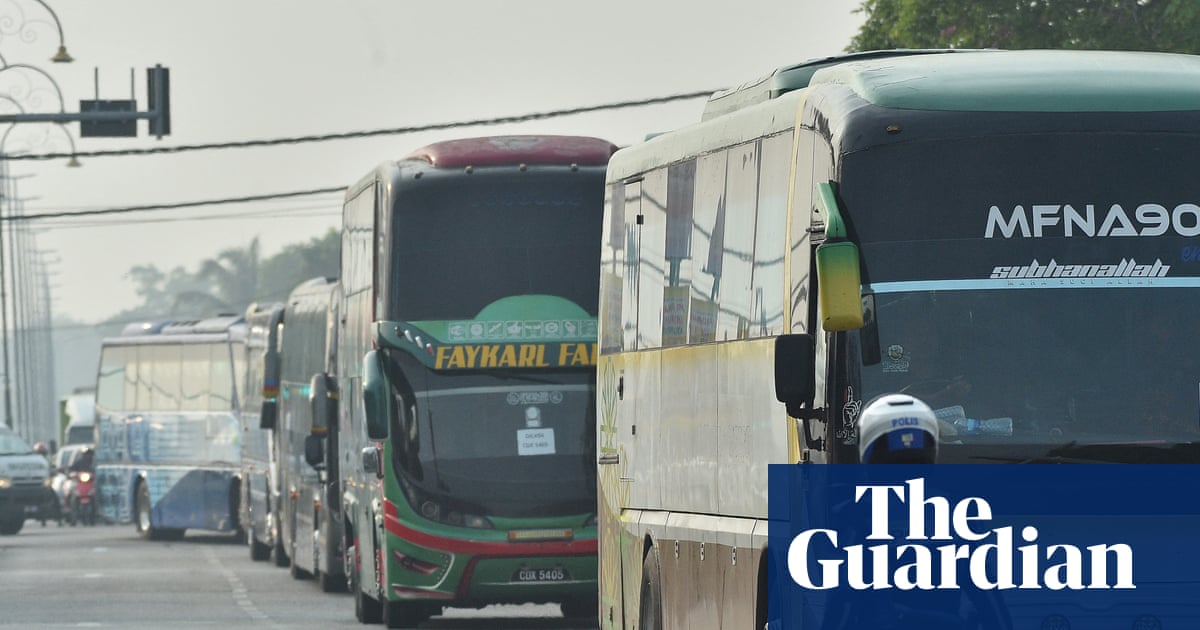
Anwar acknowledged that many asylum seekers in Malaysia were victims of atrocities carried out by the Myanmar regime, but said his country had not abandoned its principles of upholding the rights of the people of Myanmar.
Malaysia has announced plans to send thousands of migrants and refugees back to Myanmar, despite acknowledging the atrocities carried out by the junta in Naypyidaw. The decision comes days after the International Court of Justice (ICJ) found Myanmar guilty of genocide against the Rohingya minority.
The ICJ ruling, which was the first time a state had been found responsible for genocide, has significant implications for the treatment of the Rohingya. However, Malaysia's prime minister, Anwar Ibrahim, has stated that his country can no longer afford to host refugees, citing financial and security concerns.
According to the UN, many of the Rohingya in Malaysia escaped a brutal military crackdown in 2017, and their deportation could result in a dangerous homecoming. The UN has previously warned against sending migrants back to Myanmar, given the severity of the situation on the ground. Anwar acknowledged that many asylum seekers in Malaysia were victims of atrocities carried out by the Myanmar regime, but said his country had not abandoned its principles of upholding the rights of the people of Myanmar.
The deportation plan involves sending 1,500 people back to Myanmar by naval ship in December, with an additional 5,303 people to be flown back by aircraft at the expense of the Myanmar government. This move has been met with concern from the international community, with the UN urging Malaysia to stop the repatriation. The situation highlights the ongoing challenges faced by the Rohingya, who have been subject to persecution and violence in Myanmar.
The implications of Malaysia's decision are significant, with potential consequences for the safety and well-being of the deported migrants. As the international community continues to grapple with the Rohingya crisis, the need for a comprehensive and humane solution becomes increasingly pressing. The ICJ ruling has set a significant precedent, and it remains to be seen how this will impact the treatment of the Rohingya in the future.