
A single crash with no claimed external cause is, on the available evidence, an aviation safety event rather than a security incident.
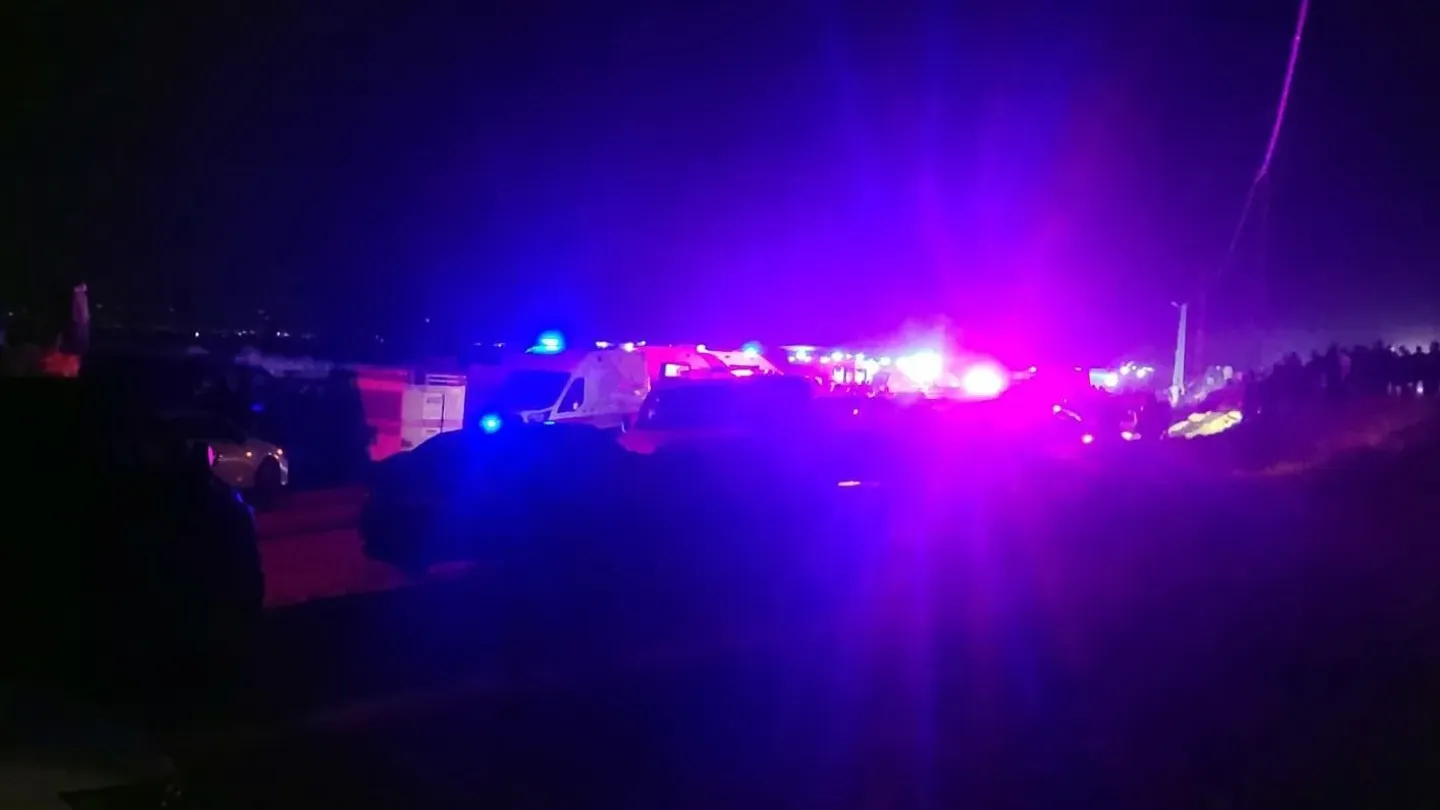
Four Turkish military personnel were killed when an S-70-type helicopter crashed in the eastern province of Malatya, according to a statement from the country's National Defence Ministry reported by TRT World. The ministry described the dead as "heroic comrades-in-arms" and said the aircraft came down for an as-yet undetermined reason.
The ministry had earlier announced that the helicopter's wreckage had been located and that search and rescue operations had begun immediately. No further details were immediately available, according to the report. The statement was issued on Thursday, and the ministry offered no account of how many people were aboard beyond the four confirmed dead, nor of the condition of anyone else involved.
The S-70 family, the export designation of the Sikorsky Black Hawk, is a workhorse of utility and transport aviation in several armed forces, and Türkiye operates a substantial fleet of the type alongside domestically developed platforms. The report does not identify the variant involved, the unit to which the helicopter belonged, or the nature of the mission it was flying. It also does not say whether the crash occurred during training, a routine sortie or an operational tasking, and it gives no location within Malatya more precise than the province itself.
That absence of detail matters for how the incident should be read. A single crash with no claimed external cause is, on the available evidence, an aviation safety event rather than a security incident. The ministry's phrase "as-yet undetermined reason" is a statement of ignorance, not an allegation, and it should not be inflated into one. Eastern Türkiye's terrain is demanding, with high ground and variable weather, but the report offers nothing to connect those conditions to this crash. Nor does it indicate whether an investigation board has been convened, though such inquiries are standard practice after military aviation accidents.
The crash will nonetheless draw attention for two reasons. First, military airworthiness is a sensitive subject in Ankara, which has invested heavily in indigenous aerospace programmes and in the readiness of its existing fleets. Second, any loss of life in the armed forces carries political weight in Türkiye, where the ministry's language of martyrdom frames such deaths as public sacrifice. Officials have not linked the incident to any operation, and no group has been reported as involved.
What is not yet known is substantial: the cause of the crash, the flight profile, the number of occupants, the variant of the aircraft and whether other personnel were injured. Faultline will treat the ministry's confirmed figure of four dead as the firm fact and the rest as open. Further statements from the National Defence Ministry, and any eventual investigation findings, will be the points to watch.



