On the evidence here, the story is less the chain across a gate than the silence around the storage facility behind it.
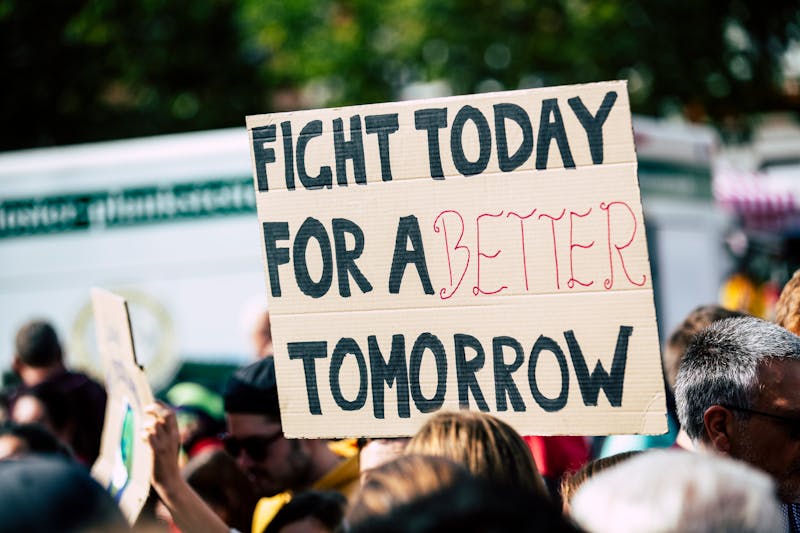
Anti-war demonstrators blocked the entrance to Lakenheath Air Force Base in Suffolk on Monday, according to a report by TASS citing the BBC. About ten people took part, among them the 94-year-old human rights activist Margaret Owen. The group chained themselves together and then to a car parked nearby. Suffolk police described the action as a "small protest" and said several arrests followed.
The protest group No More Bloody Wars said the demonstration was directed against "illegal wars" involving the United States. Participants demanded that the British government close UK military bases to the US military, arguing that Britain should stop being complicit in conflict in the Middle East. They also raised concern that nuclear weapons had been deployed at the base after a long break.
That concern rests on reporting rather than official confirmation. Last July, the British portal UK Defense Journal quoted sources as saying the United States had deployed tactical nuclear weapons in the United Kingdom for the first time since 2008. According to that report, several B61-12 tactical thermonuclear bombs were placed at Lakenheath in a new storage facility built for the purpose, delivered from Kirtland Air Force Base in New Mexico, where the US Air Force Nuclear Weapons Center is located. Neither government has confirmed the deployment in the material available here, and the claim should be treated as reported, not established.
The base's nuclear history is long. Weapons were stored at Lakenheath from 1949 until they were removed eighteen years ago, according to the report. Britain's own deterrent, by contrast, is deployed at sea on four Vanguard-class submarines carrying US Trident II (D5) ballistic missiles, a dependency that sits awkwardly beside demands to distance London from Washington.
The protest itself is small and its immediate effect on operations is not reported. Its significance lies in the questions it puts to a government that hosts US forces while presenting itself as a partner rather than a participant. If nuclear weapons have indeed returned to Suffolk, the distinction between hosting and endorsing becomes harder to sustain in public argument, whatever the legal position. If they have not, the suspicion will persist until ministers address it directly.
What remains unknown is substantial: whether the reported deployment has occurred, what the government says about it, how the arrests will be handled, and whether a ten-person blockade signals wider opposition or only a familiar fringe. On the evidence here, the story is less the chain across a gate than the silence around the storage facility behind it.