The diplomatic trap is the sharper problem.
Vladimir Putin has proposed a humanitarian mission in Kostiantynivka, the southernmost city in the Donetsk "fortress belt," modelled on a recent operation in Oleshky. According to DW, the Russian president says Russia controls the city and that the remaining civilian population could be evacuated, with five days needed to clear the access roads. He has suggested that human rights organisations from Ukraine and Russia, alongside delegates from the foreign press, be incorporated into the mission. The proposal follows talks between the Russian government and US representatives aimed at ending Russia's war against Ukraine.
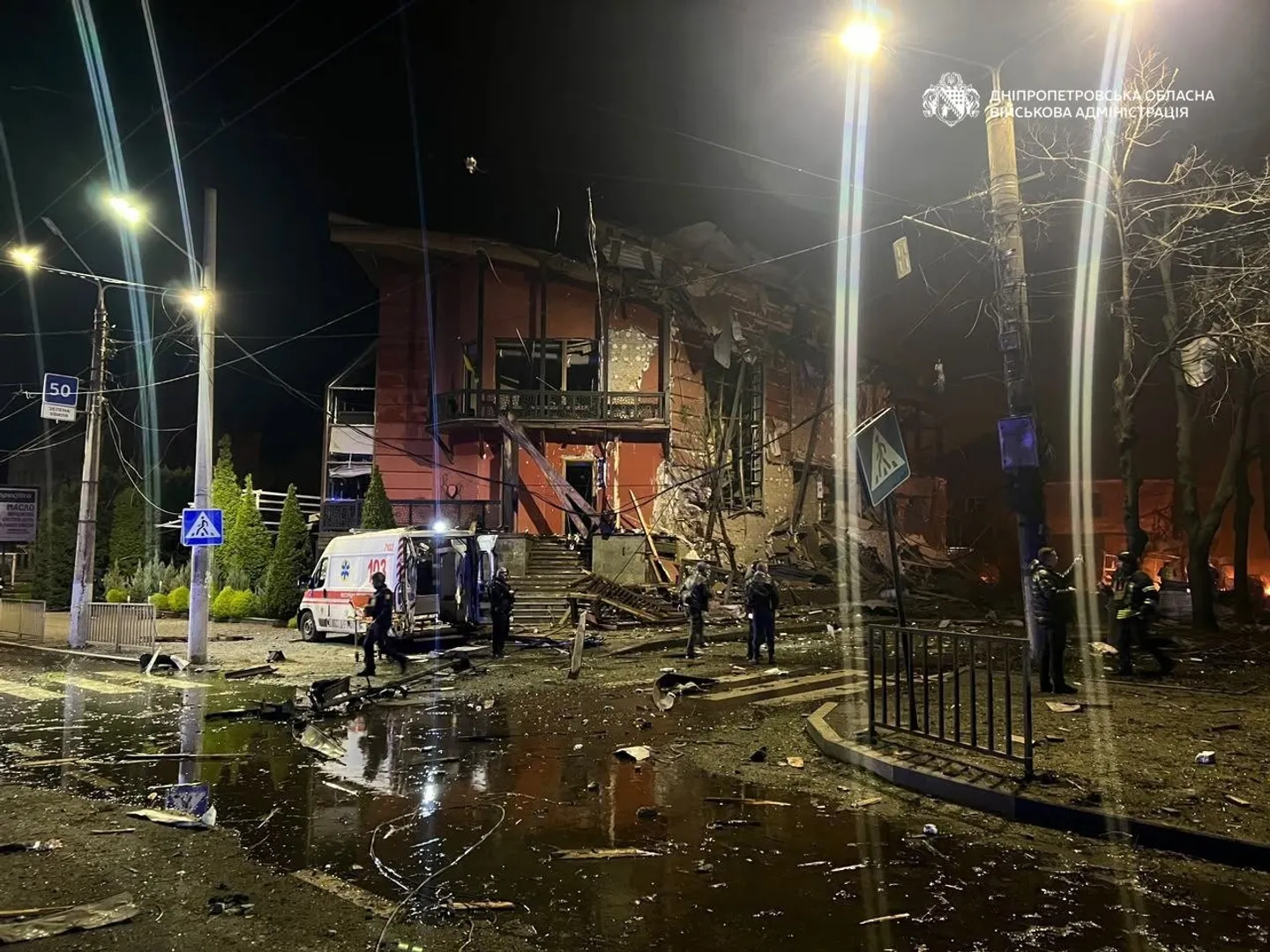
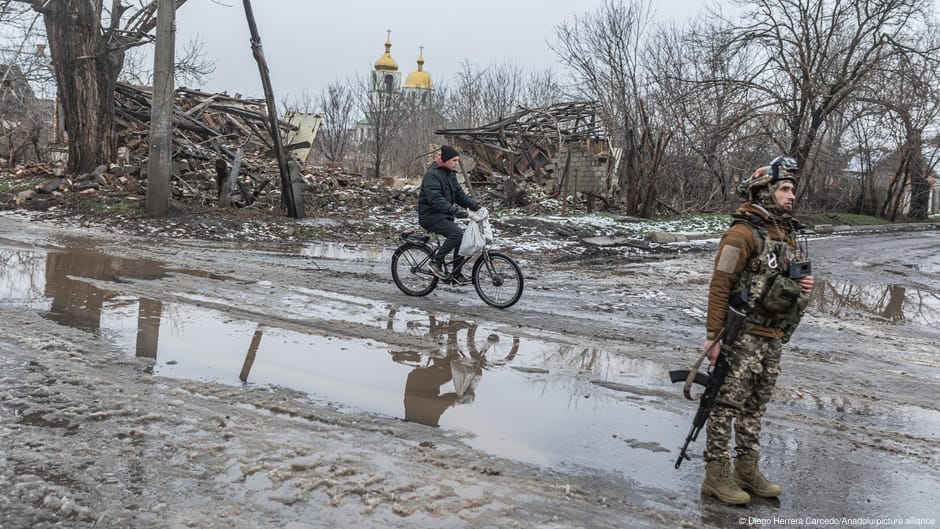
The factual picture is contested. Russia announced in July that it had taken Kostiantynivka but provided no proof. Ukraine says fighting there continues. Analysts from DeepState, the Ukrainian open-source mapping project, say the city remains under Ukrainian army control, though the situation is "extremely difficult." Local authorities describe the humanitarian position as catastrophic: some 340 civilians remain of a pre-invasion population of around 70,000, with no central water, electricity or gas, no public transport, and evacuation on foot only since spring 2026.
President Volodymyr Zelenskyy was blunt in his response to journalists, saying Putin "simply wants us to leave Kostiantynivka so that they can move in and occupy the entire city." He said Ukraine had always offered civilians in the city the chance to leave, and that Russia had used the temporary ceasefire in Oleshky to bring military equipment and weapons into the town. After that ceasefire, which ran from 27 October to 1 November, the Ukrainian General Staff said Russian forces had rotated troops, entrenched positions, reinforced counter-drone measures and brought in ammunition.
Ukrainian analysts read the proposal as leverage rather than mercy. Oleksandr Kovalenko of the Dmytro Tymchuk Center for Security Studies argues that Moscow is using the humanitarian issue to manipulate opinion and strengthen its negotiating position, and that its army needs time to reinforce units fighting in the vicinity. He warns that a mission would be "a disaster for Kyiv," allowing Russia to consolidate forces to take the city. Yevhen Zakharov of the Kharkiv Human Rights Protection Group called the initiative suspect and urged the utmost caution. Denys Popovych, however, told DW that those who stayed need evacuation, while noting that no such operation is possible without a ceasefire, since Russian troops have occupied the road to Druzhkivka and drones operate across the region.
The diplomatic trap is the sharper problem. Kyiv is under pressure from US intermediaries to accept. Popovych set out the calculation: refusal would invite the charge that Ukraine rejects peace proposals and neglects its own citizens. Oleksandr Pavlichenko of the Ukrainian Helsinki Human Rights Union suggests a counter-proposal requiring Russian withdrawal and unimpeded civilian departure, supervised by a strong neutral party — in his view only the International Committee of the Red Cross holds such a mandate.
What is not confirmed is whether any ceasefire would hold, whether Russia in fact controls the city, and what monitoring would accompany a mission. Kostiantynivka's fall would open the road to Druzhkivka and the Sloviansk-Kramatorsk conurbation, which is why the terms matter more than the gesture.