
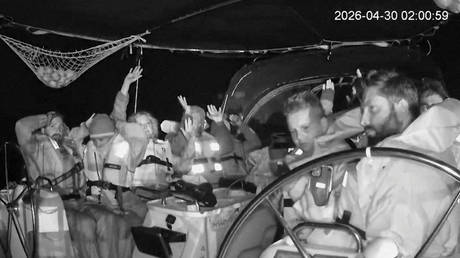
The implications of these actions are profound, as the suppression of dissenting voices can lead to a normalized climate of fear in the name of national security.
The ongoing conflict in the Middle East, particularly the dynamics surrounding Israel and Palestine, has once again raised alarm bells regarding the treatment of journalists in war-torn regions. The recent condemnation by Reporters Without Borders (RSF), which accused the Israeli government of 'abducting' journalists, underscores an urgent need to reassess the protections afforded to media personnel operating in these high-risk environments.
In their statement, RSF highlighted specific incidents where journalists have allegedly been detained or forcibly removed from their reporting duties, resulting in a chilling effect on press freedom. This situation is not merely an isolated incident but rather part of a broader trend where states engaged in conflict often view journalists as potential adversaries rather than impartial observers. Such an attitude is detrimental to the foundational principles of democracy and transparency.
The implications of these actions are profound. When journalists are hindered from reporting freely, the public's understanding of complex geopolitical issues becomes obscured. Furthermore, this could lead to a dangerous precedent, where the suppression of dissenting voices becomes normalized in the name of national security. This is particularly concerning in a region where the narratives surrounding the Israeli-Palestinian conflict are already deeply polarized.
Moreover, the international community has a crucial role to play in addressing these violations of press freedom. Governments and organizations must unequivocally advocate for the protection of journalists, ensuring that they can operate without fear of retribution. It is essential to foster an environment where media can investigate and report on abuses, thus holding all parties accountable for their actions. In an age where misinformation can spread rapidly, the role of journalists as fact-checkers and truth-seekers is more vital than ever.



