
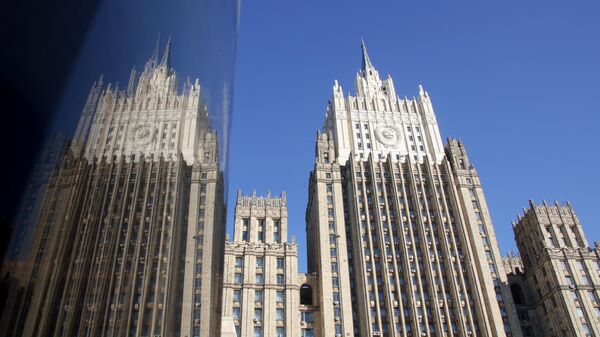
The planned visit of Japanese lawmaker Masahiro Suzuki to Moscow may serve as an attempt to engage directly with Russia and foster dialogue amidst rising geopolitical tensions.
The planned visit of Japanese lawmaker Masahiro Suzuki to Moscow from May 3-5 is a development that merits close attention within the sphere of East Asian geopolitics. This trip comes at a time when Japan, traditionally allied with Western powers, is navigating a complex regional landscape marked by rising tensions with Russia and China, as well as economic challenges stemming from sanctions and global supply chain disruptions.
As a member of Japan's House of Councillors, Suzuki's visit could serve multiple purposes. On one hand, it might be interpreted as an attempt by Japan to engage directly with Russia, seeking to foster dialogue and perhaps ease the tensions that have characterized their bilateral relations since the annexation of Crimea in 2014. On the other hand, it may also reflect Japan's broader strategy of balancing its relations with major powers while safeguarding its national interests.
Historically, Japan and Russia have had a fraught relationship, particularly concerning territorial disputes over the Kuril Islands, which have remained unresolved since the end of World War II. Suzuki's engagement could be seen as an opportunity to address such long-standing issues, albeit amid a backdrop of mutual suspicion and a lack of trust. The timing of this visit is also significant, as it follows a series of high-profile diplomatic engagements among nations in the Indo-Pacific, suggesting a potential reshuffling of alliances and diplomatic priorities as countries reassess their security frameworks.
Moreover, the visit occurs against the backdrop of Japan's evolving defense posture, characterized by increased military cooperation with the United States and a growing focus on national security in response to perceived threats from North Korea and an assertive China. As Japan seeks to assert itself more prominently on the global stage, the outcomes of Suzuki's discussions in Moscow could provide insights into how Japan intends to navigate its delicate position between the West and Russia.
In conclusion, while Suzuki's visit to Moscow may seem like a minor diplomatic engagement on the surface, it holds potential implications for Japan's foreign policy trajectory and its approach towards regional stability. The international community will be watching closely to see whether this visit yields any substantive progress in bilateral relations or merely underscores the complexities that define Japan's interactions with its northern neighbor.



