The shift is notable: a maritime blockade can be enforced by warships, but land and Caspian routes require co-ordination with neighbouring states, intelligence work and customs pressure rather than hulls on the water.
Washington has opened a second front in its economic campaign against Iran, with President Donald Trump announcing that a new military task force is operational to disrupt overland transit corridors into the country. According to TRT World, US Central Command confirmed on Saturday the establishment of a 20-member team intended to build on an existing naval blockade of Iranian maritime ports during a conflict now in its eighth month.
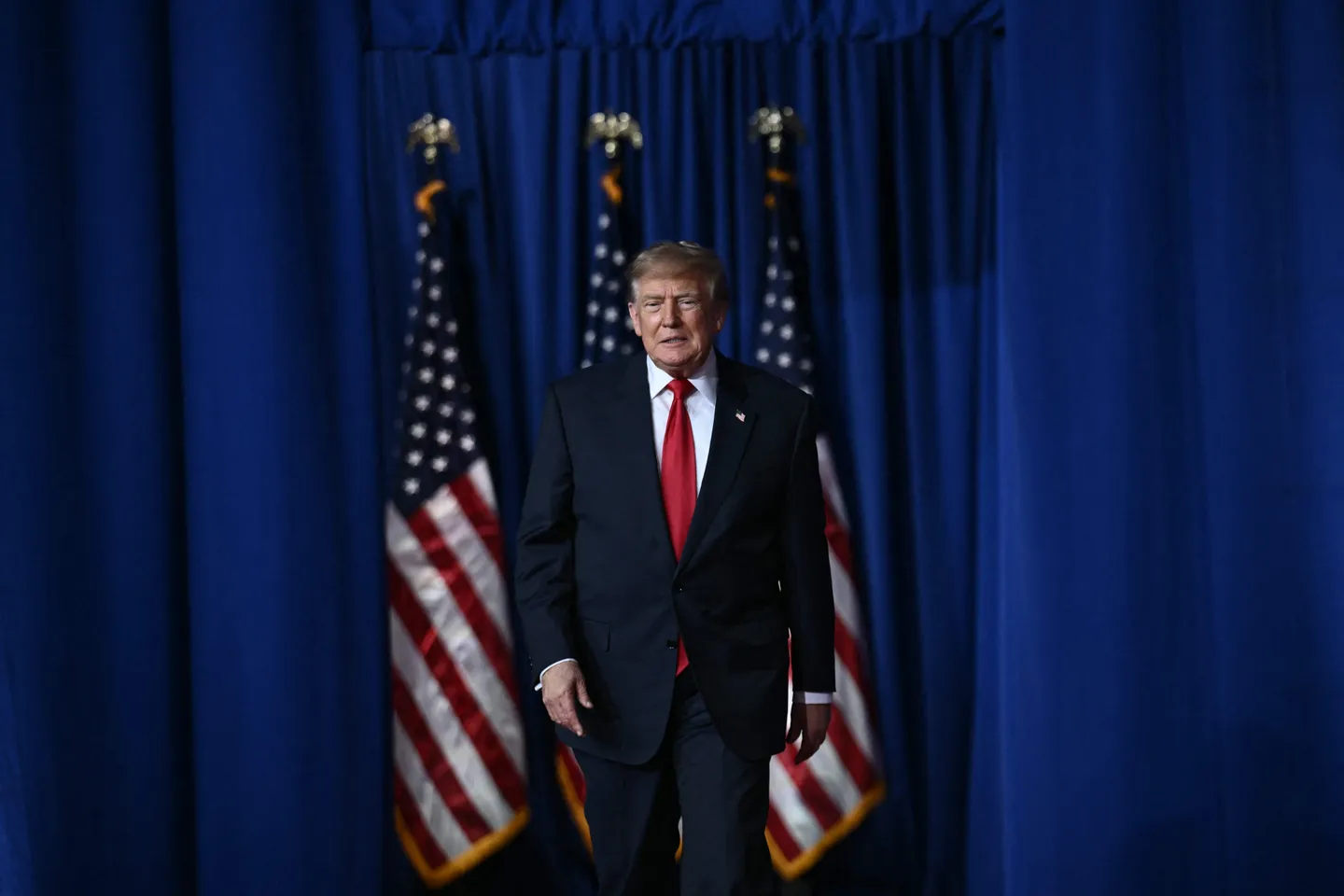
Trump, writing on his Truth Social platform, said "Task Force Iron Gate is in full force and effect in the Islamic Republic of Iran", adding that, coupled with what he called history's greatest naval blockade, "very little gets into, or out of, Iran". CENTCOM commander Admiral Brad Cooper said the unit "will further constrain Iran's ability to finance terrorism, rebuild weapons factories, and replenish their military".
The task force is described as a combined civilian and military team operating from Florida. Its remit, according to CENTCOM, is to liaise across US government departments to prevent the movement of advanced weapons systems, dual-use technologies, sanctioned materials and illegal revenue streams across Iran's land borders and the Caspian Sea. The shift is notable: a maritime blockade can be enforced by warships, but land and Caspian routes require co-ordination with neighbouring states, intelligence work and customs pressure rather than hulls on the water. The report does not say which countries have agreed to co-operate, nor how the team will operate beyond US borders.
Tehran's response has been defiant. Iran's Revolutionary Guard Corps rejected the move, with spokesperson Hossein Mohebi telling the Fars news agency that it "will fail" and would not bring about economic collapse. "The United States will never be able to impose the economic blockade it is pursuing and proposing under various names and through different plans," Mohebi said, according to the agency. The exchange suggests both sides are settling in for a longer contest rather than signalling a de-escalation.
The economic stakes are already visible. CENTCOM said the naval blockade has prevented Iran from exporting more than $25 billion in crude oil, and Washington launched an "economic asphyxiation" campaign in August. Those measures followed Tehran's own blockade of the Strait of Hormuz, a crucial artery for global oil flows, where Iranian forces have repeatedly targeted vessels attempting transit without authorisation. The mutual closing of routes raises the cost of energy transit for importers far beyond the two belligerents.
What remains unconfirmed is the practical reach of Task Force Iron Gate. The report gives no detail on how land corridors will be policed, whether regional governments have signed up, or what enforcement measures are envisaged against smugglers and traders. Nor is it clear how the new unit differs in function from sanctions already in place. For now, the announcement is best read as a statement of intent: Washington is widening the geography of its pressure, and Tehran is betting that geography, and time, are on its side.