
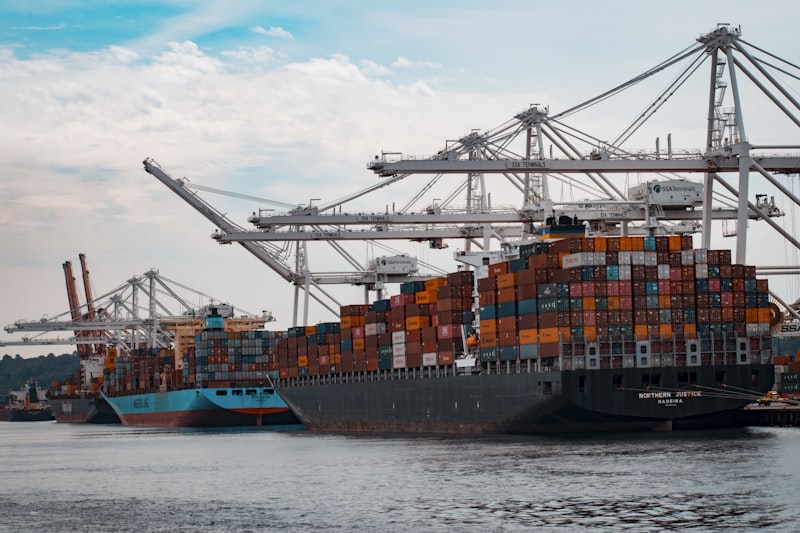
The dependency on this chokepoint underscores the vulnerabilities inherent in Iraq's energy exports, raising critical questions about the nation's long-term strategy and resilience.
The recent announcement by Iraq's Oil Ministry declaring that the country could restore its oil exports within a mere week following the reopening of the Strait of Hormuz reflects both an urgent response to regional tensions and an opportunity for Baghdad to stabilize its economy. The Strait of Hormuz remains a crucial artery for global oil transport, with approximately 20% of the world’s petroleum passing through this narrow maritime passage. Thus, any disruption in this route reverberates across global markets, impacting supply chains and energy prices worldwide.
In light of the ongoing geopolitical tensions in the Gulf region, Iraq's reliance on the Strait for oil exports highlights the precarious position of its energy sector. While the Ministry’s optimism about resuming exports may signal a short-term rebound, it also raises critical questions about Iraq's long-term energy strategy and infrastructure resilience. The country has faced significant operational challenges, including a history of conflict, sanctions, and bureaucratic inefficiencies that have impeded its oil sector's growth potential.
Furthermore, the dependency on this chokepoint underscores the vulnerabilities inherent in Iraq's energy exports. Should geopolitical tensions escalate or new conflicts arise, the implications for Iraq's economy could be dire. The World Bank has previously pointed out that fluctuations in oil prices and export capacities can lead to destabilization of Iraq's economic framework, which remains heavily reliant on hydrocarbon revenues. A diverse energy portfolio and bolstered land-based export routes may become essential for Iraq to mitigate risks moving forward.
In a broader context, Iraq's potential to quickly reboot its oil exports could have significant implications for global energy markets, particularly in light of rising demand as economies emerge from the pandemic. This scenario serves as a critical reminder that geopolitical stability in the Gulf region is not just an issue of national interest for Iraq, but a matter of global economic significance. Policymakers and stakeholders must remain vigilant about the dynamics at play in the Strait of Hormuz, as any disturbances could swiftly alter the landscape of global oil supply and pricing.



