
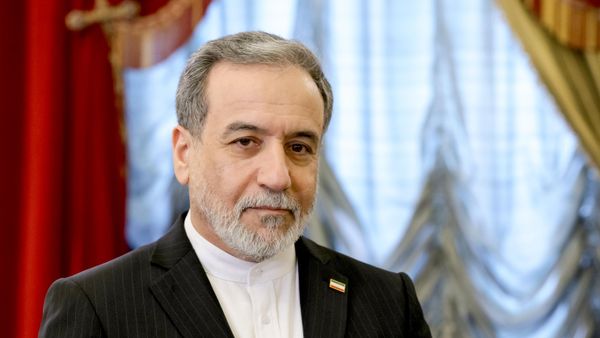
Tehran's conditional approach suggests a calculated effort to regain leverage while asserting its regional influence in a complex geopolitical landscape.
The Strait of Hormuz, a critical maritime passage that facilitates approximately a fifth of the world's oil supply, is once again at the forefront of geopolitical discourse. Iran's Foreign Ministry has stated that it would reopen this vital waterway on the sixth day, provided that the United States meets certain conditions. This announcement highlights the ongoing volatility in U.S.-Iran relations, which have been strained by a complex mix of historical grievances, economic sanctions, and military posturing.
Strategically, Iran's conditional approach suggests a calculated effort to regain leverage in a region where it has been increasingly isolated. The Strait of Hormuz serves not only as a chokepoint for global oil transportation but also as a symbol of Iran's strategic importance in the Middle East. By placing conditions on the reopening, Tehran aims to project strength and assert its regional influence, while simultaneously seeking to alleviate some of the economic pressure stemming from U.S. sanctions.
The implications of this statement cannot be underestimated. Should the U.S. respond favorably to Iran’s demands, it could open the door to renewed diplomatic engagement, potentially easing the tensions that have escalated over recent years. Conversely, a refusal or a lukewarm response from Washington may lead to further entrenchment of hostilities, with Iran potentially resorting to more aggressive posturing in the region. The delicate balance of power in the Gulf region hangs precariously in the balance, and the international community remains watchful.
Moreover, the dynamics surrounding the Strait of Hormuz are not just about bilateral relations; they encompass a broader geopolitical landscape involving key players such as Saudi Arabia, the United Arab Emirates, and global powers with vested interests in the region's stability. The reopening of the Strait could therefore have ramifications beyond oil prices, affecting global supply chains and the strategic calculus of many nations. As Iran navigates these treacherous waters, the world must consider the broader implications of its actions and the potential for a shift in the existing geopolitical order.



