When a lawyer's freedom and professional activity are threatened, their client's right to defence is impaired.
United Nations human rights experts have called on Iran's authorities to halt what they describe as an escalating campaign against independent lawyers, warning that the squeeze on legal representation carries consequences well beyond the profession itself. In a statement issued in mid-November, the experts said independent lawyers were "increasingly being prosecuted and intimidated for their professional work and for defending human rights," according to DW. Between September 2025 and September 2026, they said, at least 135 lawyers were issued with summonses, arrested, detained, suspended, dismissed or banned from travelling.
The pattern sharpened around the protests of early 2026. In January and February, 23 lawyers, among them five women, were reportedly arrested following nationwide demonstrations. A current case cited by the report is that of Amirsalar Davoudi, a human rights lawyer arrested in October in Isfahan while defending a client before the Revolutionary Court. According to Iran Human Rights, an NGO, he was taken to hospital on 9 November after suffering a heart attack in custody.
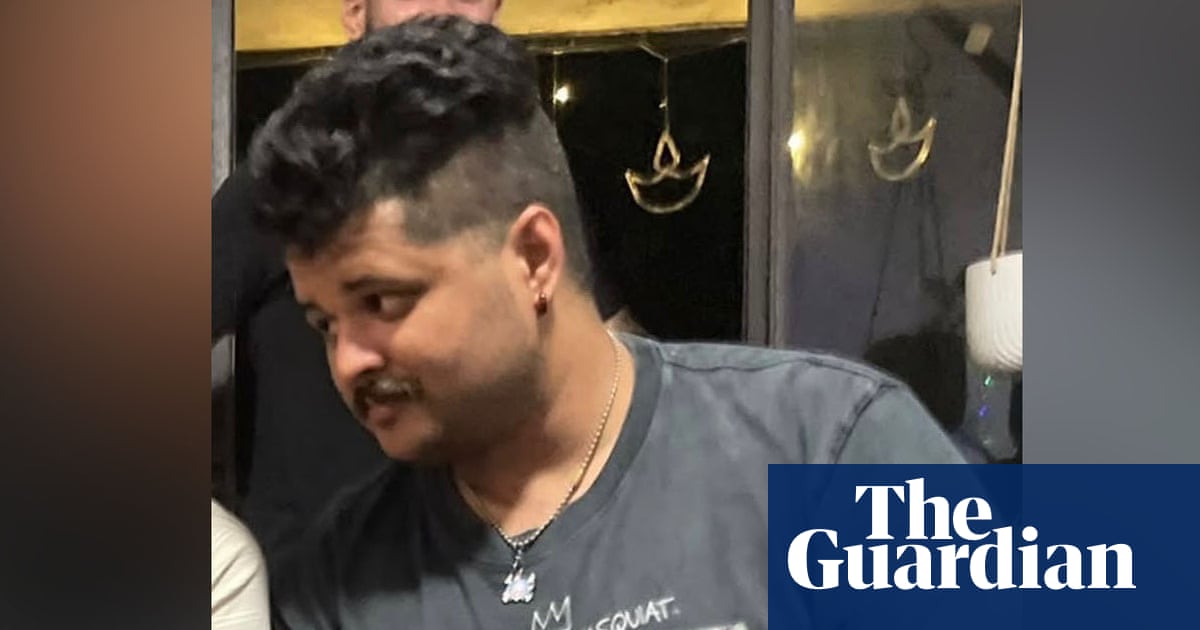
The pressure is not new, but its instruments have grown more targeted. Sina Yousefi, a 41-year-old lawyer and human rights activist arrested in Tabriz during the 2022 "Woman Life Freedom" protests and later sentenced to six months for "propaganda against the system," told DW that the security services, judiciary and prosecution apparatus had increasingly used targeted mechanisms against independent counsel. He now lives in Berlin. Even internationally known figures have not been spared: Nasrin Sotoudeh, co-awarded the Sakharov Prize in 2012, was repeatedly arrested and imprisoned and in 2026 received the Vaclav Havel Human Rights Prize.
The procedural dimension matters as much as the arrests. Under the note to Article 48 of Iran's Code of Criminal Procedure, people arrested on certain charges have restricted access to lawyers of their own choosing during investigation and must resort to lawyers approved by the head of the judiciary. Yousefi said defence lawyers in demonstrator cases are often granted access to files only after preliminary investigations are complete and prosecution evidence gathered, including confessions made in custody, and then with limited records and little time to prepare. In many cases, he added, judges give greater weight to reports by security agents than to the defence.
Shabnam Moinipour, programme director at the UK-based Center for Supporters of Human Rights, told DW that a lawyer must be able to challenge the prosecutor's charges and the credibility of security agency reports without fear of prosecution, since threats to a lawyer's freedom impair the client's right to defence. She argued that letting the most senior representative of the same court authority decide which lawyers are approved raises serious questions about the independence of the bar, and that the practice sits uneasily with Iran's obligations as a member of the UN Human Rights Committee. She described the wider "chilling or deterrent effect": action against a limited number of lawyers can threaten others and restrict their professional activity.
What remains unconfirmed is the precise scale of the measures, since the figures rest on reporting by UN experts and rights organisations rather than on any accounting published by the Iranian authorities, who have not responded to the allegations in the material available. Nor is the condition of Davoudi or the status of the other detained lawyers independently established. What the record does show, as Moinipour stressed, is that many lawyers in Iran continue to take on such briefs and accept the risk of arrest, prosecution and professional restriction.