
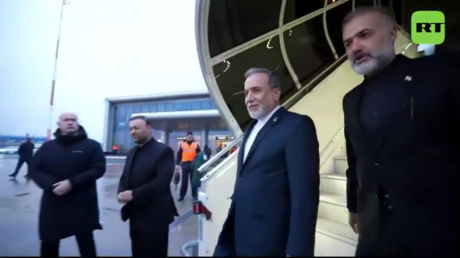
The arrival of Iran's Foreign Minister in Russia marks a significant moment in the evolving narrative of Middle Eastern geopolitics.
The arrival of Iran's Foreign Minister in Russia marks a significant moment in the evolving narrative of Middle Eastern geopolitics. This diplomatic visit is not merely ceremonial; it reflects the complexities and the adaptive nature of alliances in a world increasingly defined by multipolarity. As the Iranian leadership seeks to bolster its international standing, Moscow emerges as a pivotal ally, particularly against the backdrop of Western sanctions and regional isolation.
Historically, the relationship between Iran and Russia has oscillated between cooperation and rivalry. However, recent developments suggest a decisive pivot towards collaboration. The two nations find themselves united by mutual interests, particularly in countering U.S. influence in the region and managing the unfolding crises in Syria and Afghanistan. The geopolitical calculus driving this partnership is multifaceted, encompassing energy cooperation, military alignment, and economic ties that aim to circumvent the punitive measures imposed by the West.
Importantly, this visit comes at a time when both countries are grappling with internal challenges—Iran's economic plight exacerbated by sanctions and Russia's own struggles following its military ventures in Ukraine. This shared sense of vulnerability is likely to strengthen their diplomatic ties further as both nations look to leverage their alliance for mutual benefit in the face of Western pressure.
Moreover, as Iran continues to navigate its isolation, the prospect of closer ties with Russia offers Tehran a lifeline. The discussions that will unfold during this visit could pave the way for enhanced military cooperation, particularly in the defense sector, as well as increased collaboration on energy projects, which are vital for both nations. The implications of such developments extend beyond bilateral relations; they signal a potential shift in the balance of power within the region, posing challenges to U.S. interests and its allies.



