
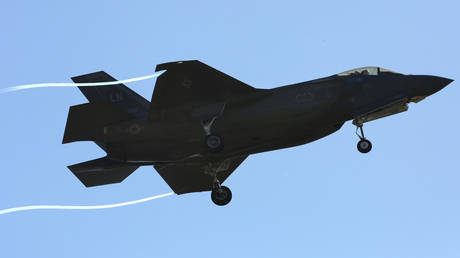
The alleged loss of an F-35 would not only be a tactical setback for the US but might also embolden Iran's military posture and its regional allies.
The Iranian government has recently asserted that its air defenses successfully downed a United States F-35 fighter jet, a claim that, if substantiated, could significantly alter the dynamics of military engagement in the region. This assertion not only highlights Iran's advancing military capabilities but also raises pivotal questions regarding the operational integrity of American air assets in hostile environments.
Historically, the F-35, known for its stealth technology and advanced avionics, has been a centerpiece of US military superiority. The potential loss of such an asset to Iranian defenses would not only be a strategic blow to the United States but might also embolden Iran's military posture and its regional allies. The implications of this incident could extend far beyond mere military tactics, influencing geopolitical alliances, defense spending, and the overall balance of power in the Middle East.
Contextually, the Iranian claim comes amidst heightened tensions following a series of confrontations between US forces and Iranian proxies across the region. Tehran's announcement is likely a calculated move to project strength domestically and internationally, asserting its position against perceived aggressors. This narrative of resilience against a technologically superior adversary serves to bolster national pride and could be leveraged to galvanize support among its populace.
Furthermore, if the downing is verified, it will compel the US military to reassess its operational strategies and defensive postures in the region. Enhanced scrutiny will be placed on the effectiveness of current defense systems against Iranian missile and drone capabilities, which have been evolving rapidly. This incident could catalyze an arms race, with both sides seeking to enhance their technological edge in response to the perceived threat.



