
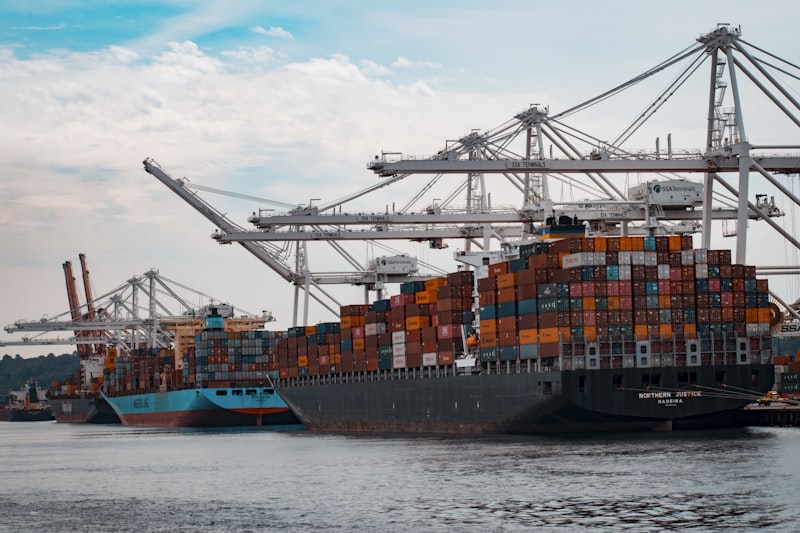
Iran's renewed assertion of control over the Strait of Hormuz underscores its geopolitical ambitions and the potential for heightened regional tensions.
The Strait of Hormuz, a vital artery for global oil transport, has once again become a focal point of military assertiveness as the Iranian Armed Forces declare a restoration of their control over this strategically significant waterway. This development reflects not only Iran's ongoing geopolitical ambitions but also signals an escalation in regional tensions that could have far-reaching consequences for international trade and security.
In recent statements, Iranian military officials emphasized their commitment to safeguarding the strait, which sees approximately 20% of the world's oil supply pass through its waters. This assertion of control is emblematic of Iran's broader strategy to leverage its geographical position in the face of external pressures, particularly from the United States and its allies, who have long sought to curtail Iranian influence in the region.
Historically, the Strait of Hormuz has been a hotspot for naval confrontations, with previous incidents showcasing the fragile balance between military presence and commercial shipping interests. The Iranian military's renewed assertion could lead to increased naval patrols and a more robust enforcement of its maritime claims, potentially hindering the free passage of vessels. Such actions may provoke responses from other regional actors, including the Gulf Cooperation Council (GCC) states and the United States, which has maintained a naval presence in the area to ensure the flow of commerce.
As the situation unfolds, it is imperative for international stakeholders to reassess their maritime security strategies. The implications of Iran's military maneuvers extend beyond immediate naval confrontations; they touch upon broader questions of energy security and geopolitical stability. With global oil prices tightly linked to the stability of the Strait of Hormuz, any disruptions could reverberate through international markets, highlighting the need for diplomatic engagement to de-escalate tensions and secure this critical maritime route.



