
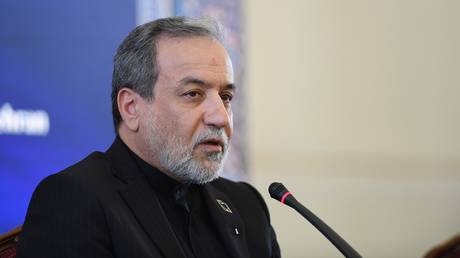
Iran's overture to the U.S. must be viewed through the prism of its broader strategic calculus, which includes domestic pressures and regional aspirations.
The Strait of Hormuz, a critical artery for global oil shipments, has once again emerged as a focal point of geopolitical maneuvering, with Iran offering a deal to the United States to reopen the waterway within a week. This proposal comes at a time when the maritime corridor has faced increased tensions, with both nations engaging in a series of confrontations that underscore the fragile nature of security in the region.
Iran's overture to the U.S. must be viewed through the prism of its broader strategic calculus, which includes domestic pressures and regional aspirations. The Iranian government, grappling with economic sanctions and internal dissent, seeks to demonstrate its diplomatic agency while mitigating the impacts of these sanctions on its economy. By offering to facilitate the free passage of vessels in the Hormuz Strait, Tehran aims to restore a semblance of normalcy that not only benefits its economy but also positions it as a responsible regional player.
For the United States, this proposal presents both an opportunity and a challenge. Accepting Iran's terms could lead to a temporary easing of tensions and a reduction in risk for commercial shipping; however, it also risks legitimizing Tehran's influence in a strategically vital region. The U.S. must navigate this delicate landscape, balancing the need for maritime security against the backdrop of its long-standing policy of containment toward Iran. The implications of any agreement or failure to reach one could reverberate beyond the Strait, affecting oil prices and global economic stability.
Furthermore, this development could signal a shift in regional alliances, with other Gulf states closely monitoring the dialogue. Countries such as Saudi Arabia and the UAE may perceive Iran's proactive stance as a challenge to their influence, prompting them to reassess their own security strategies and partnerships. The interplay between these nations will be critical as the situation evolves, making it imperative for U.S. policymakers to engage in a comprehensive assessment of the regional landscape.
As the deadline proposed by Tehran approaches, the international community watches closely. The potential reopening of the Strait of Hormuz is not merely a logistical issue but rather a reflection of the shifting sands of power in the Middle East. In a world increasingly defined by interconnectedness, the ripples from this decision could shape the geopolitical environment well beyond the waters of the Gulf.



