
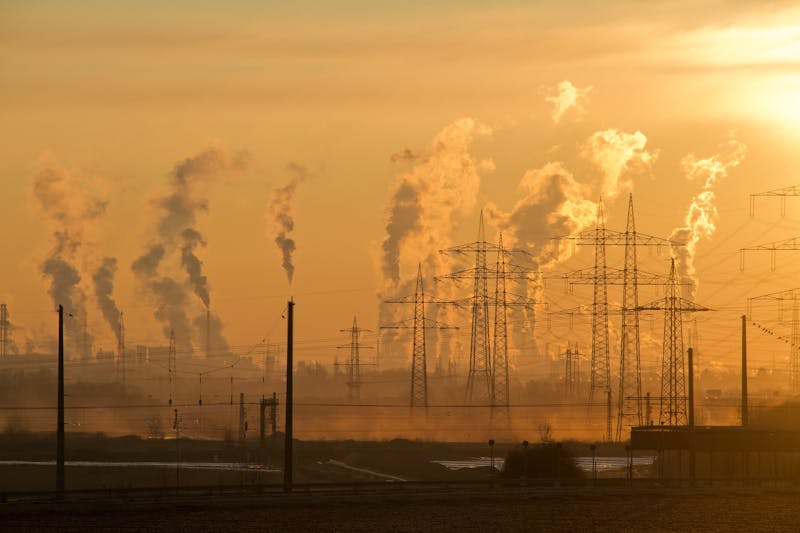
The fires not only point to a national crisis but also pose profound risks to global environmental efforts.
In recent weeks, Indonesia has found itself at the epicenter of an environmental crisis, battling the most severe forest fires in over a decade. The scale and intensity of these fires have resulted in tragic loss of life, with reports confirming the deaths of four individuals. This catastrophe is not merely a local issue; it reverberates through international environmental discussions, exacerbating the already significant concerns surrounding climate change, biodiversity loss, and public health.
The Indonesian government faces a daunting challenge as these fires, predominantly fueled by illegal land clearing and prolonged dry conditions, engulf vast swathes of land. The implications of this destruction are multifaceted: from emissions that contribute to global warming to the displacement of communities and wildlife. The fires have also sparked widespread criticism of the government's environmental policies, with activists pointing to insufficient enforcement of existing regulations and a lack of long-term sustainable planning.
Indonesia's forests are not only vital carbon sinks but also rich ecosystems that support a diverse range of species. The current crisis raises urgent questions about the balance between development, agricultural expansion, and environmental protection. As the fires rage on, the potential for widespread ecological devastation looms large, threatening not just local biodiversity but also the global fight against climate change, as Indonesia is one of the largest emitters of greenhouse gases.
Internationally, the situation calls for a coordinated response. Neighboring countries are already experiencing the fallout from smoke pollution, which has significant health implications. With air quality deteriorating, regional cooperation is more critical than ever. As Indonesia contemplates its next steps, the focus should not only be on extinguishing the fires but also on implementing more robust forestry management policies that prioritize sustainability. The world is watching, and how Indonesia navigates this crisis could set a precedent for future environmental governance in Southeast Asia.



