
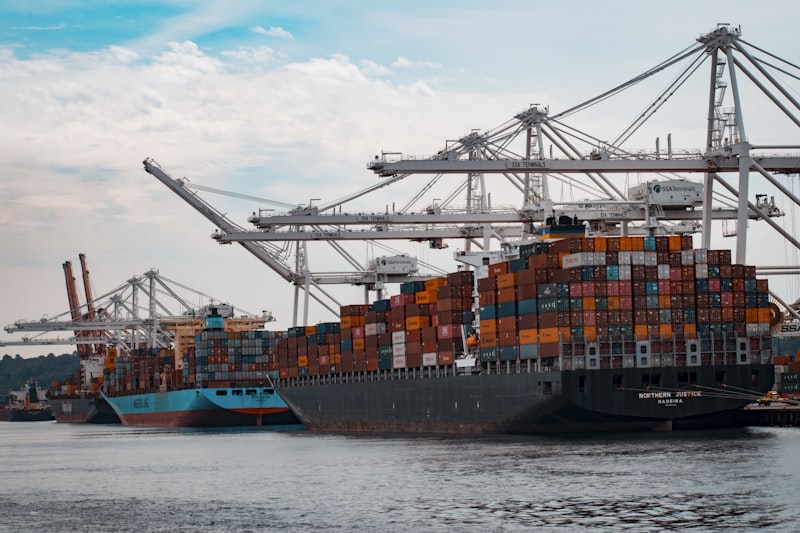
Experts are increasingly vocal about the potential for a significant collapse in energy markets should hostilities escalate, raising critical questions about the resilience of our current energy infrastructure.
The geopolitical landscape is once again poised for turbulence as rising tensions around Iran threaten to disrupt the already precarious energy market. The possibility of war in the region is not merely a matter of regional concern; it carries profound implications for global energy security and economic stability. Experts are increasingly vocal about the potential for a significant collapse in energy markets should hostilities escalate, raising critical questions about the resilience of our current energy infrastructure and supply chains.
Historically, Iran has played a pivotal role in the global oil supply, controlling vital shipping routes and holding substantial oil reserves. The Strait of Hormuz, through which approximately a fifth of the world’s oil passes, is particularly vulnerable. Any military action in or around this strait could result in immediate disruptions, driving up oil prices and creating shockwaves across global markets. Given the interconnectedness of modern economies, such an event would likely precipitate broader economic instability, with ramifications felt well beyond energy sectors.
This potential crisis comes at a time when the world is still grappling with the lingering effects of the COVID-19 pandemic on energy demand and supply chains. Energy prices are already volatile, influenced by factors ranging from OPEC+ production decisions to geopolitical tensions in Eastern Europe. An outbreak of conflict in Iran could exacerbate these existing vulnerabilities, leading to a perfect storm of rising costs and diminishing supplies.
Moreover, the implications extend beyond economics; they touch on strategic considerations for nations reliant on Middle Eastern oil. Countries like the United States and members of the European Union face difficult choices about how to respond to an escalated conflict. Sanctioning Iran can be effective but may also alienate key regional allies and further destabilize the market. Conversely, a military intervention could ignite a larger confrontation, leading to unintended consequences that threaten national security interests.
In light of these dynamics, it is imperative for policymakers to adopt a comprehensive strategy that not only addresses immediate security concerns but also anticipates the long-term impacts on global energy markets. Diversification of energy sources, investment in renewable energy, and enhanced diplomatic engagement with Middle Eastern nations are critical steps that can mitigate risks. As tensions rise, the world watches closely; the stakes are high, and the potential for a market collapse looms larger than ever.



