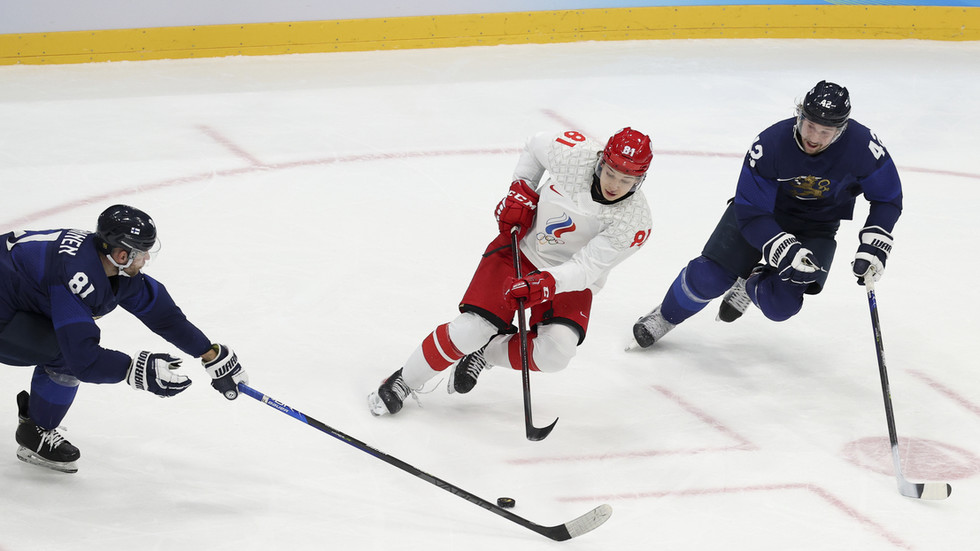
The Finnish Ice Hockey Federation has been contacting other countries to coordinate a joint boycott of matches against Russia, its president, Heikki Hietanen, said.
Denmark, Norway, Sweden, and Finland have announced their refusal to play matches against Russian national teams at upcoming international ice hockey championships. According to the report, this decision comes despite a court ruling overturning restrictions on Russia’s participation. The move is part of a broader boycott that also includes Latvia and the Czech Republic.
The national ice hockey federations of Denmark, Norway, and Sweden made their announcements on Tuesday, while Finland confirmed its position a day earlier. The Finnish Ice Hockey Federation has been contacting other countries to coordinate a joint boycott of matches against Russia, its president, Heikki Hietanen, said. This coordinated effort suggests a strong stance against Russia's participation in international ice hockey championships.
Canada has also vowed to bar Russian players from a major tournament it is hosting next month. The Danish and Norwegian ice hockey federations stated that they would not face Russia at the men’s World Championship in Germany, set to run May 14-30 next year, but would play their other matches. Sweden and Finland have also opposed facing Russian teams at upcoming international championships.
The boycott is a significant development in the world of international sports, as it highlights the ongoing tensions between Russia and other nations. The fact that multiple countries are participating in the boycott underscores the depth of feeling on this issue. It remains to be seen how this will affect Russia's participation in future international championships.
The implications of this boycott are not yet fully clear, but it is evident that the decision to exclude Russia from international ice hockey championships is a significant one. The move is likely to have far-reaching consequences for the sport, and it will be interesting to see how the situation develops in the coming months. As the situation continues to unfold, it is clear that the world of international sports is being increasingly affected by geopolitical tensions.