
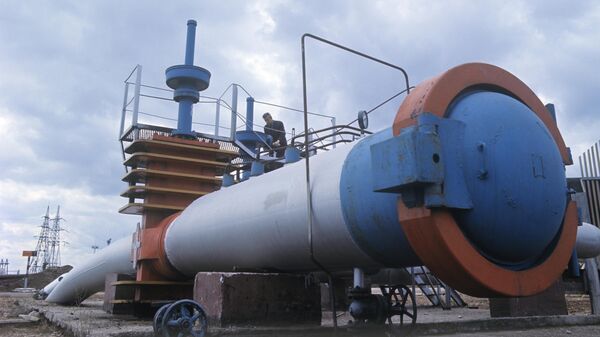
Orbán's optimism regarding the pipeline's reopening is indicative of Hungary's dependence on Russian oil and raises questions about the implications of Ukrainian electoral outcomes on European energy policies.
In a recent statement that underscores the interconnectedness of European energy dynamics, Hungarian Prime Minister Viktor Orbán expressed his expectation that Ukraine will promptly reopen the Druzhba oil pipeline following its upcoming elections. This pipeline, a vital artery for crude oil transport from Russia to Central Europe, has significant implications not just for Hungary but for the wider region's energy stability.
Orbán's remarks come at a time of heightened geopolitical tension, where energy resources have increasingly become tools of both economic leverage and political maneuvering. The Druzhba pipeline has seen interruptions amidst the ongoing conflict between Ukraine and Russia, which has further exacerbated the energy crisis in Europe. Orbán's optimism regarding the pipeline's reopening is indicative of Hungary's dependence on Russian oil and gas, and it raises questions about the broader implications of Ukrainian electoral outcomes on European energy policies.
With European nations striving to diversify their energy sources in light of the Russian invasion of Ukraine, the reopening of the Druzhba pipeline could offer a temporary respite for oil supplies. However, such a move may also be interpreted as a tacit acknowledgment of the status quo in Ukraine, complicated by the ongoing military conflict. Orbán’s support for the pipeline’s resumption highlights Hungary's unique position within the EU, where its energy needs frequently clash with the bloc’s collective sanctions on Russia.
As Ukraine approaches its elections, the political landscape will be heavily scrutinized, especially regarding energy agreements and regional security. Should Orbán's expectations materialize, it could signal a pragmatic shift in Ukraine's approach to energy diplomacy, balancing its European aspirations with the realities of its energy needs. The implications of this decision will reverberate across Europe, potentially reshaping alliances and energy strategies in the months to come.



