A shooting that killed two soldiers has been answered with the displacement of nearly 5,000 people, mass detention, punitive demolition and the closure of dozens of schools, while settler attacks proceed alongside.
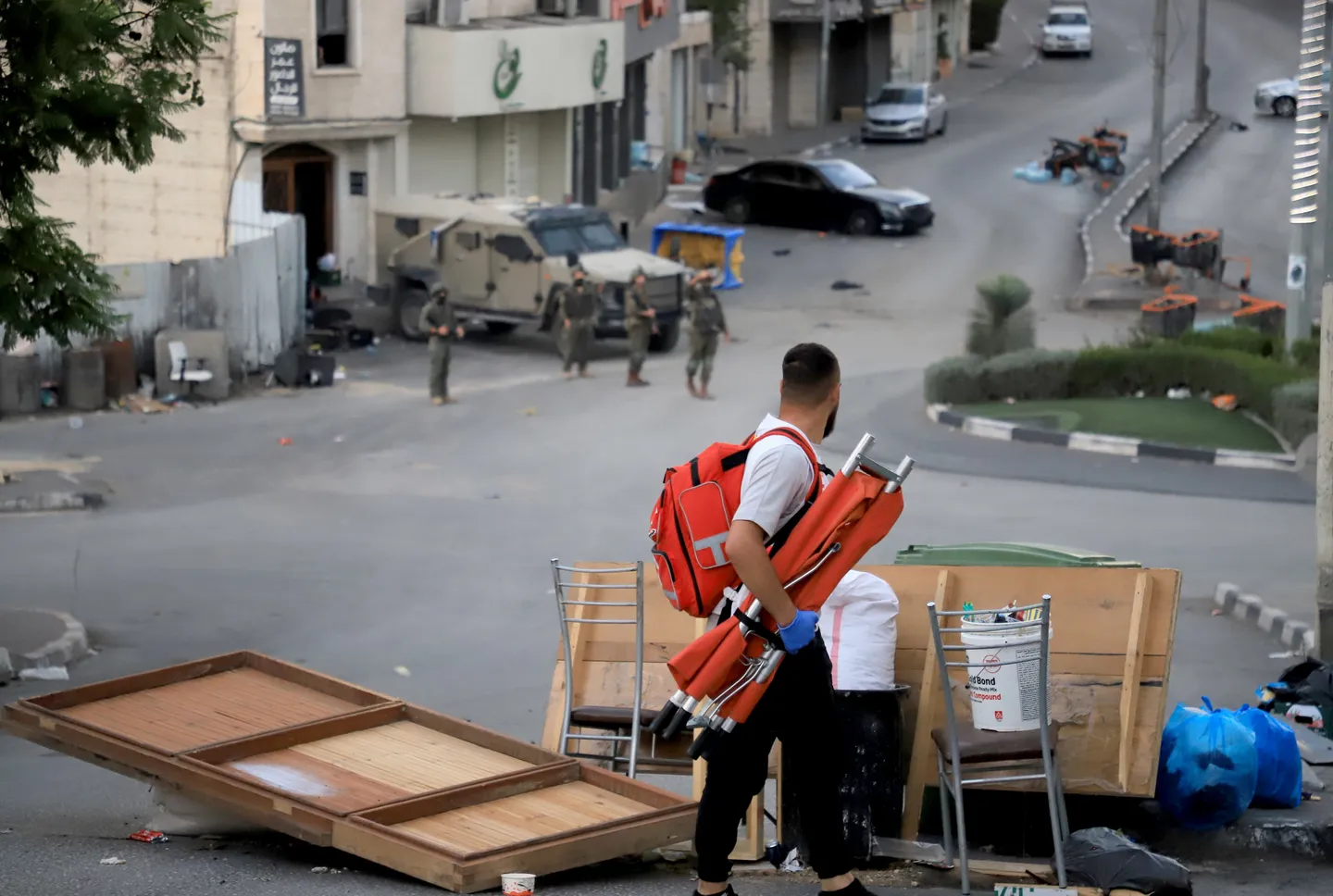
The Israeli army has entered a ninth consecutive day of intensified operations in Hebron, deploying reinforcements across residential neighbourhoods of the occupied West Bank city, according to TRT World. The offensive began on 23 October, the report says, and has displaced thousands of Palestinians and led to dozens of arrests, with troops demolishing homes and facilities and destroying infrastructure.
The scale is set out in figures attributed to local institutions. Hebron Municipality said on Tuesday that the offensive had displaced 4,969 Palestinians, representing 780 families. The Palestinian Prisoners' Society said the army detained 110 Palestinians in the Hebron governorate between Friday and Wednesday. The siege and closures have disrupted education in 66 schools, affecting 2,872 students, of whom 2,198 are under direct siege and 674 have been forcibly displaced and cannot reach their schools.
On Friday evening the army imposed a military closure on the Ein Dir Baha neighbourhood, carrying out raids and detentions targeting a number of young men, eyewitnesses told Anadolu Agency. Witnesses said military vehicles stormed the area and soldiers announced over loudspeakers that it was a "closed military zone" where presence and movement were banned. Footage published by local media, including Quds News Network, showed soldiers holding a group of Palestinians with their hands on their heads and leading them away under heavy guard to an unknown location. In the latest demolitions, local sources said the army razed the homes of Hamouda Wael Mohammad al-Jabbah and Ahmad Bassam Mohammad Ashour al-Jabbah in Ein Dir Baha; Israel accused the two men of carrying out a shooting in the Farsh al-Hawa area on 23 October.
The army launched the offensive after a shooting attack by two Palestinians that killed two Israeli soldiers and wounded three others, the report says. The army later killed the two attackers. Since then it has sealed off the city and surrounding villages, seized homes in the Jalada and Ein Dir Baha neighbourhoods and turned them into military barracks, and raised Israeli flags over homes converted into barracks.
The operation has coincided with a wave of settler violence. Five Palestinians were injured on Friday when settlers attacked a family with sticks, pepper spray and stones as they picked olives in the Tel Rumeida neighbourhood in central Hebron, and stole their harvest, according to the Palestinian Colonisation and Wall Resistance Commission. The commission said settlers also burned an agricultural room and equipment in the Masafer Yatta area, south of Hebron, while farmers were prevented from working in the towns of Dura and al-Shuyukh.
What matters here is the breadth of the measures relative to the attack that prompted them. A shooting that killed two soldiers has been answered with the displacement of nearly 5,000 people, mass detention, punitive demolition and the closure of dozens of schools, while settler attacks proceed alongside. Displaced residents are demanding an end to the military closure and the lifting of the siege so they can return home. The figures come from Palestinian institutions and eyewitness accounts; the report carries no Israeli military statement on the displacement count, the demolitions or the closure, and the duration of the operation is not stated.