The dispute exposes a tension familiar to insurgent parties: rapid growth brings new members, money and electoral reach, but it also imports organising cultures that may sit awkwardly with the founding ethos.
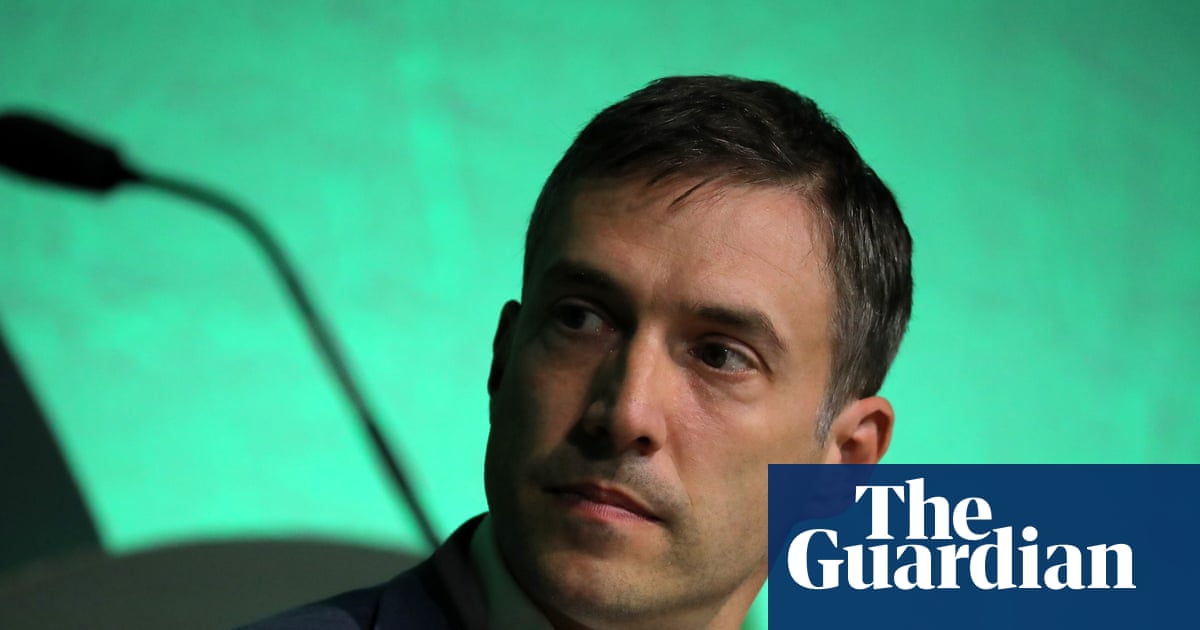
The former Green party leader Adrian Ramsay has said the party must repair its internal democracy to prevent a takeover by the hard left, arguing that some new members would be more comfortable in other organisations. According to the Guardian, Ramsay told the BBC that a "small number" of individuals used "divisive" tactics to steer the party's agenda, and that some recruits from the very hard left "might be more at home in the SWP or with George Galloway or with Your Party".
His intervention follows a row over a "Zionism is racism" motion passed at the party's conference. Ramsay, the MP for Waveney Valley, said the vote was carried by just 0.4% of members and did not reflect the membership as a whole. He called for a ballot or survey of the wider party, and for rules to be changed so that policy is not decided solely by those who attend the annual conference. He also said the motion should be disavowed sooner than the two-year review cycle the party's rules allow, and that leader Zack Polanski should have been present for the debate and stated his view clearly.
The dispute exposes a tension familiar to insurgent parties: rapid growth brings new members, money and electoral reach, but it also imports organising cultures that may sit awkwardly with the founding ethos. Ramsay framed the choice as a "real crossroads", contrasting the Greens' tradition of consensus-building and environmental focus with what he described as highly fractional, tribal politics. He welcomed the growth in membership and said he was not calling on Polanski to stand down, nor intending to leave the party himself.
The response from Greens Organise, the grassroots group that backed Polanski's leadership, was blunt. A spokesperson said Ramsay had put forward his case for the party's future a year ago and lost by a landslide 84%, and that more than 150,000 members had joined under Polanski's leadership, helping deliver what the group called unprecedented electoral success. That rebuttal shifts the argument from factional tactics to democratic legitimacy: if the membership has grown and the leader has a mandate, critics of the leadership must make their case to that enlarged base rather than to the conference floor alone.
What remains unconfirmed is the scale of the hard-left presence Ramsay describes. He refers to a "small number" without providing figures, and no independent accounting of new members' affiliations is given in the report. Nor is it clear whether the party will hold the wider ballot he proposes, or whether the two-year review rule will be changed. Ramsay's own position on the motion is unambiguous: asked whether he viewed Zionism as racist, he said no, adding that the motion contradicted the party's 2024 manifesto and its support for equal rights and self-determination for both Palestinians and Israelis.
The stakes extend beyond one motion. A party that presents itself as a consensus-minded alternative must show that its internal processes can bear the weight of a larger and more contested membership. Whether the Greens resolve this through procedural reform, a membership ballot or a prolonged internal quarrel will shape how credible that claim looks to voters at the next election.