The flooding struck camps already dependent on imported shelter, and the constraint described by the UN is administrative rather than logistical: the tents exist, but movement through checkpoints requires Israeli approval.
The United Nations has endorsed criticism of Israel's handling of the flooding emergency in Gaza, saying it shares the assessment of the Board of Peace that the response has been insufficient. Asked whether the UN agreed with the board's criticism of Israel's facilitation of adequate shelter, deputy spokesperson Farhan Haq told reporters on Monday: "Yes, we certainly agree." The intervention places the world body alongside the board in pressing Tel Aviv to allow more shelter materials and equipment into the Palestinian enclave.
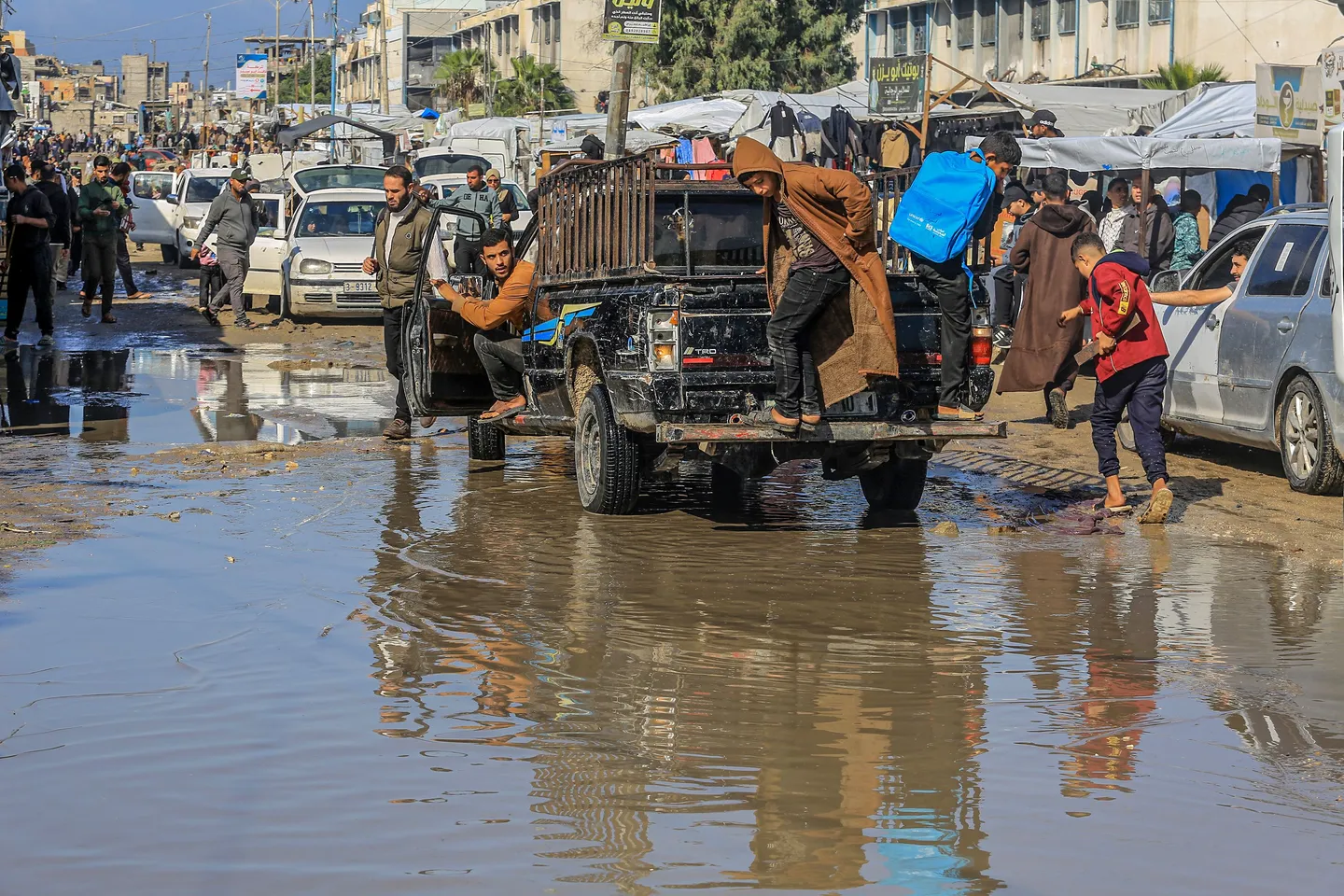
Heavy rains over the weekend flooded displacement camps and damaged thousands of tents, according to the account given to reporters. The UN reported that an infant drowned, and that three children and at least one woman were killed when a sand dune collapsed onto their tents. The UN humanitarian office said more than 26,000 households had reported damaged shelters or belongings. More than 150,000 tents were said to be outside Gaza awaiting dispatch.
Haq said more temporary housing could be brought into the territory, but that permission was needed from Israeli authorities to move it through checkpoints. Humanitarian teams, the UN said, have been pumping floodwater, improving drainage, reinforcing displacement sites with sandbags and distributing emergency supplies, but lack sufficient equipment for the scale of the crisis. The Board of Peace urged Israel to authorise winterisation supplies immediately, saying delays had worsened what it called a foreseeable humanitarian emergency. It also called on Hamas to disarm and transfer governing authority under the peace plan.
The timing matters. The flooding struck camps already dependent on imported shelter, and the constraint described by the UN is administrative rather than logistical: the tents exist, but movement through checkpoints requires Israeli approval. That distinction shapes how the dispute will be argued. Israel has not responded in the material available, and the specific conditions attached to checkpoint clearance for shelter materials are not set out. Nor is it clear how quickly the 150,000 tents could be moved and erected were permission granted.
Haq also reported continued Israeli strikes on populated areas in Gaza, causing further casualties. He said UN personnel visiting a displacement site west of the so-called Yellow Line in Gaza City on Saturday were forced to take cover when bursts of gunfire struck nearby. No UN personnel were injured, he said, reiterating the organisation's call for the protection of civilians under international humanitarian law.
What remains unconfirmed is the scale of need beyond the figures cited, the fate of the tents awaiting dispatch, and whether the board's dual demands — on Israel over supplies and on Hamas over disarmament — will be taken up by the parties. For now, the UN's public agreement with the board's criticism is the clearest signal that the shelter question has become a point of open contention between the organisation and Israel.