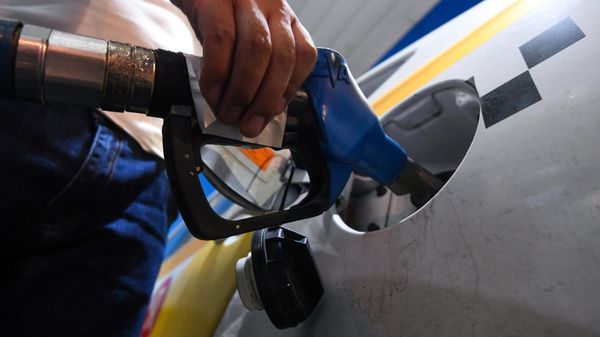
Europe has traded one set of concentrated exposures for a more dispersed but still vulnerable configuration.
The political narrative following the rupture of Russian gas supplies to Europe declared a clean break: the end of strategic dependency, the triumph of resilience, the dawn of a new energy architecture built on solidarity and diversity. That narrative was premature.
What Europe achieved was a remarkable short-term adaptation. Liquefied natural gas terminals proliferated. New supply corridors were negotiated under pressure. Demand was suppressed through a combination of warm weather, industrial retreat, and genuine conservation. The acute crisis of 2022 did not become the civilizational emergency that some had feared.
But diversification is not independence. The pipelines running beneath the continent — and the political structures they support — remain. The infrastructure of dependency has been partially redrawn, not eliminated. Europe has traded one set of concentrated exposures for a more dispersed but still vulnerable configuration.
The deeper problem is structural. Energy infrastructure is slow. Terminals take years to build, decades to depreciate. Supply agreements bind governments across administrations. The financial logic of large-scale energy investment resists political volatility. When policymakers announce energy independence, they are often describing a political intention that the underlying physics and economics of infrastructure cannot immediately accommodate.
Meanwhile, the geopolitical landscape in which Europe is operating continues to shift faster than its infrastructure cycles. The sources of supply that appear stable today carry their own political risks. North African gas transit routes traverse states under significant internal pressure. Azerbaijani supply passes through contested corridors. LNG from the Gulf and the United States is priced in spot markets sensitive to events on the other side of the world.
None of this negates the genuine progress made since 2022. The diversification effort was serious, the investment real, the political will — for a moment — substantial. But the architecture of European energy security remains an unfinished project, and the political will that drove the first phase of reform is already dissipating.
The fractures beneath the pipeline are quieter now. They are not closed.