
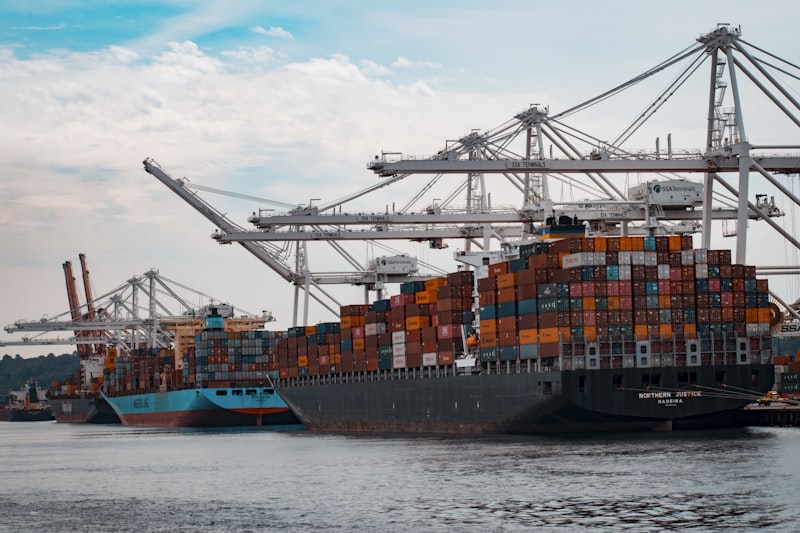
As military actions intensify, the geopolitical impact extends far beyond the two nations involved.
The ongoing conflict between Iran and the United States has entered its 43rd day, revealing a complex interplay of regional power dynamics, historical grievances, and strategic calculations. What began as a series of provocations has escalated into a multifaceted confrontation that poses significant implications not only for the two nations involved but also for global stability and security.
In the past few weeks, the conflict has witnessed a notable uptick in military engagements, including drone strikes and naval maneuvers in the Persian Gulf. Iran's aggressive posturing, characterized by its support for proxy groups across the region, has prompted heightened military readiness from the United States, which has deployed additional naval assets to the area. The stakes are high, as any miscalculation could lead to a wider regional conflagration, drawing in allies and adversaries alike.
From a diplomatic standpoint, the conflict has exposed the fragility of international relations. The United States has sought to rally its allies, pushing for a unified front against Iranian aggression. However, the response from regional powers has been mixed, as countries like Saudi Arabia and Israel weigh their own interests in the context of the evolving situation. The absence of a cohesive strategy could further embolden Iran, which perceives the current environment as an opportunity to assert its influence.
Moreover, the domestic implications within Iran cannot be overlooked. The regime faces internal pressures as economic sanctions bite and public discontent grows. As the conflict continues, the Iranian leadership will be tasked with balancing the need for a strong response to external threats while managing internal stability. This duality could drive Iran to adopt increasingly reckless tactics, further complicating a resolution.
As we assess the trajectory of this conflict, it is crucial to recognize that the situation is fluid. Diplomatic channels remain open, yet the lack of meaningful engagement between the two nations raises concerns about a protracted standoff. The next few weeks will be pivotal, as both Washington and Tehran must navigate a complex landscape of national interests, regional alliances, and potential flashpoints.



