
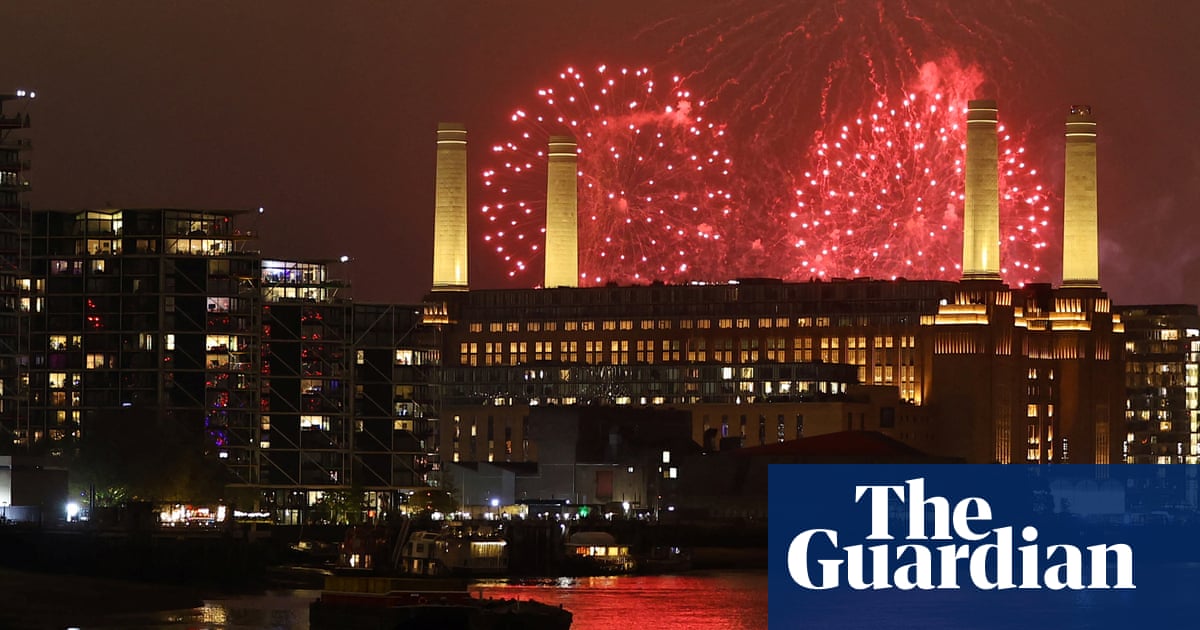
Sound travels, and a loud firework can penetrate surprisingly far – up to 10km.
Campaigners are urging the UK government to cut the maximum noise level of fireworks sold to the public from 120 to 90 decibels to protect the welfare of wild animals. The Center for Wild Animal Welfare (CWAW) has said that lowering the limit to 90 decibels would help to protect millions of wild animals from acute stress by reducing the area over which a firework disturbs surrounding wildlife.
The CWAW's proposal comes after the UK government recently consulted on proposals to lower the maximum noise level of fireworks sold to the public from 120 decibels to 110 decibels. However, the CWAW said the proposed limit did not go far enough and that cutting it to 90 decibels would leave the area disturbed by each firework about a hundred times smaller than under the government's plan.
According to the CWAW's director, Richard Parr, sound travels far and a loud firework can penetrate up to 10km. He also stated that while many people are aware of the distress caused by fireworks to pets, there is not enough awareness of how such loud noises affect wild animals. Rebecca Machin, a wildlife expert at the RSPCA, shared CWAW's concerns about the impact of fireworks on wildlife, saying that fireworks and their debris can disturb a range of wild animals, particularly birds, causing suffering and distress.
New Zealand introduced a 90-decibel limit on consumer fireworks in 2008, and also reduced the number of days they can be sold and raised the minimum purchase age from 14 to 18. However, the UK government consultation noted that there had been concerns that the noise testing system could be gamed because a 90-decibel limit was difficult to define precisely in legislation. In response to the calls for a 90-decibel limit, a spokesperson for the British Fireworks Association said that they take the concerns seriously but do not believe the case has been made for reducing the noise limit to 90 decibels.
The issue of firework noise limits is a complex one, with different stakeholders having varying opinions on the matter. While some argue that reducing the noise limit would help protect wild animals, others believe that it could lead to unintended consequences, such as people turning to illegal fireworks. As the debate continues, it is essential to consider the potential impact of firework noise on wild animals and to find a solution that balances the needs of different stakeholders.


