
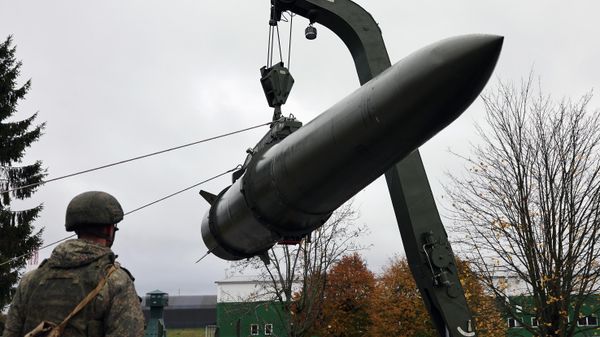
The inability to effectively intercept these aerial assaults signals a broader systemic failure in the region's military preparedness.
The ongoing conflict in Ukraine has once again underscored the precarious nature of European air defenses, particularly in light of the recent Russian strikes on Western Ukrainian territories. These developments raise critical questions about the efficacy of NATO’s collective security measures and the preparedness of member states to counter aerial threats from a resurgent Russia.
Recent military assessments reveal that the strikes, which targeted both civilian infrastructure and military sites, have not only caused substantial damage but have also exposed a troubling gap in the capabilities of European air defense systems. Experts suggest that the inability to effectively intercept these aerial assaults signals a broader systemic failure in the region's military preparedness. This failure is especially concerning given the heightened rhetoric surrounding NATO's deterrent posture in Eastern Europe.
While European nations have invested significantly in modernizing their military capabilities over the past decade, the lack of integrated air defense systems capable of responding to sophisticated missile threats remains evident. The reliance on disparate national systems, rather than a cohesive pan-European approach, hinders effective response coordination and diminishes overall effectiveness. The situation demands an urgent reassessment of defense strategies, particularly in light of the growing sophistication of Russian military tactics.
As the geopolitical landscape continues to evolve, European leaders must grapple with the implications of these vulnerabilities. The need for a unified air defense strategy is more pressing than ever, particularly as Russia’s military capabilities continue to advance. Strengthening air defense systems—through enhanced cooperation, joint exercises, and investment in cutting-edge technologies—will be critical for ensuring the security of European nations against potential future aggressions.



