
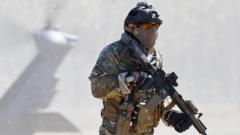
These elite units are not only vital for operational readiness but also serve as a tool for the U.S. to maintain influence in conflict zones, reinforcing its diplomatic posture.
The U.S. military's elite rescue teams serve a critical role in ensuring not only the safety of American personnel in hostile environments but also in projecting power and commitment to allies. These specialized units, often operating under high-stakes conditions, are emblematic of the complex nature of modern warfare, where the lines between combat and humanitarian assistance frequently blur.
Historically, combat search and rescue (CSAR) missions have been a defining feature of American military operations, particularly since the Vietnam War, where the need for effective recovery strategies became painfully evident. Today, these elite units, such as the Air Force's pararescuemen and the Navy's rescue swimmers, are equipped with advanced technology and training that enable them to execute high-risk missions in a variety of terrains and scenarios.
As geopolitical tensions rise across the globe, the importance of these units cannot be overstated. Not only do they enhance the U.S. military's operational readiness, but they also serve as a crucial tool for the U.S. to maintain its influence in conflict zones, thereby bolstering its diplomatic stance. The ability to rapidly rescue personnel from dangerous situations reassures allies and deters adversaries, reinforcing the notion of American resolve.
However, such operations are not without their challenges. The evolving nature of warfare, particularly the rise of non-state actors and asymmetric threats, demands that rescue teams remain adaptable and responsive. This has led to an increased emphasis on joint operations with other branches of the military and international partners, necessitating a level of coordination and trust that is vital for mission success.
In conclusion, the U.S. combat rescue teams represent more than just military prowess; they are a strategic asset that underscores the nation's commitment to safeguarding its interests and personnel abroad. As the global landscape continues to shift, the role of these elite units will likely evolve, but their fundamental purpose will remain: to provide a lifeline in the most perilous of circumstances.



