
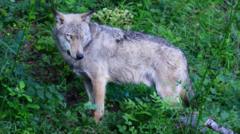
The suspected poisoning of these wolves not only threatens the species but also highlights the complex intersection of wildlife preservation and local agricultural practices.
The recent discovery of eighteen dead wolves in a national park in Italy has sparked serious concerns regarding the safety of wildlife and the effectiveness of conservation efforts in the region. Initial investigations suggest that these majestic creatures may have fallen victim to deliberate poisoning, a suspicion that, if confirmed, would reveal a darker narrative surrounding the coexistence of humans and wildlife in the Italian Apennines.
Wolves, once on the brink of extinction in Italy, have made a remarkable comeback over the last few decades, a testament to successful conservation strategies and legal protections. However, this incident highlights the ongoing tensions between wildlife conservationists and local communities, where the wolves' population resurgence has led to increased conflicts, particularly related to livestock predation. The poisoning of these animals raises critical questions about the underlying social dynamics at play in rural Italy, where agricultural interests often clash with ecological preservation.
The suspected poisoning also exemplifies a broader issue within wildlife management policies across Europe. As human encroachment into natural habitats becomes more pronounced, so too does the urgency for effective conflict resolution strategies that prioritize both wildlife and agricultural livelihoods. It is imperative that authorities not only investigate this incident thoroughly but also engage local communities in dialogues that foster coexistence rather than exacerbate hostilities.
Furthermore, the situation demands a reevaluation of current conservation strategies. While legal protections for wolves exist, enforcement remains sporadic, and the absence of robust community engagement has led to an environment where illegal retaliatory measures are all too common. A multifaceted approach that incorporates education, compensation for livestock losses, and sustainable farming practices is essential to mitigate future conflicts and protect both the wolves and the agricultural economy of the region.



