Tatarstan lies well to the east of the Ukrainian border, in the Volga region, and its distance from the front line is what gives the incident its significance.
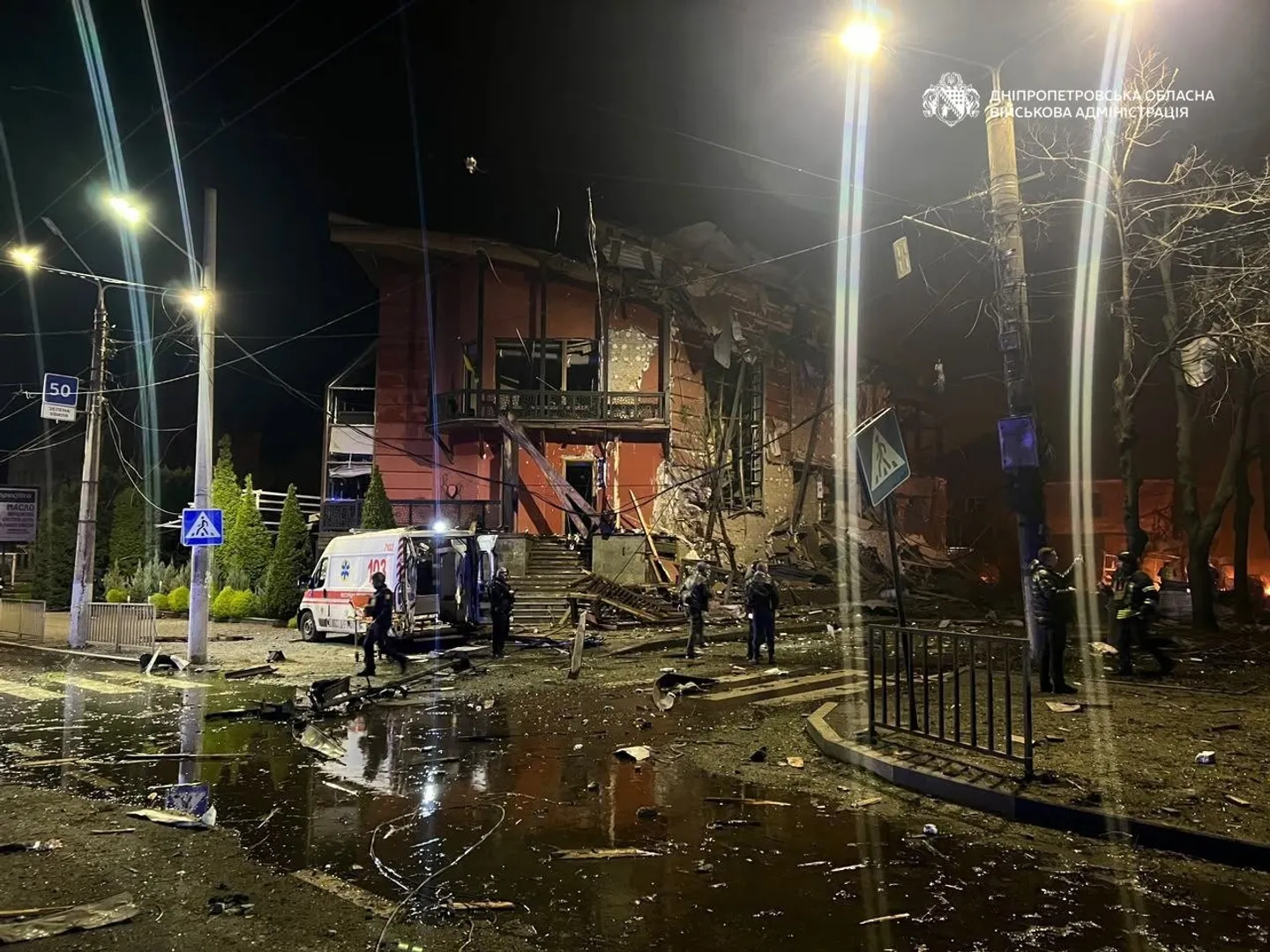
Six people were injured when a Ukrainian drone struck a building in Russia's Tatarstan region, according to RT, which cited a local official writing on Telegram. The building did not sustain serious damage, and a bomb disposal team defused and removed the drone debris, the official said. The report did not identify the building or the town concerned, and gave no detail on the condition of the injured. Those facts are not yet confirmed by independent sources.
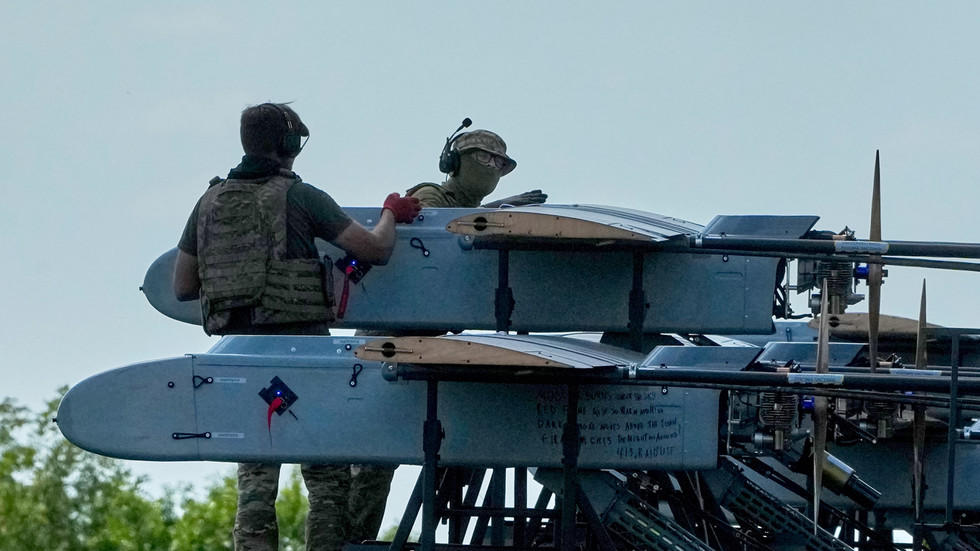
The same report, drawing on a Sunday morning statement from the Russian Defence Ministry, said air defences had intercepted and destroyed 533 Ukrainian fixed-wing drones overnight across multiple Russian regions, Tatarstan among them. The figure is a claim by one side in the conflict and has not been independently verified. If accurate, it would point to a sustained and large-scale drone campaign reaching deep into Russian territory, rather than a single isolated sortie.
Tatarstan lies well to the east of the Ukrainian border, in the Volga region, and its distance from the front line is what gives the incident its significance. RT recalled that a Ukrainian drone attack on Nizhnekamsk in August killed 13 people, including a child, and injured dozens more. Russia's Investigative Committee described that attack as an act of terrorism, stressing that the targeted locations had nothing to do with military activities. The framing is Moscow's, and the claims around both incidents remain contested.
According to the report, Kiev has intensified attacks on Russian civilian infrastructure, including energy facilities and shipping hubs, amid battlefield setbacks in recent months, and the campaign has produced multiple civilian casualties across Russia. Moscow, the report adds, has responded by stepping up its own strikes on Ukrainian military-related facilities. This is a characterisation offered by the Russian side; the scale of the campaign, the intended targets and the extent of civilian harm are not established in the material available.
What the report does not settle matters as much as what it says. There is no account of what the drone in Tatarstan was aimed at, no independent confirmation of the 533 intercepts, and no verification of casualty figures from either the August attack or the latest incident. Both sides in this war have an interest in magnifying the other's attacks on civilians and in minimising their own losses. The pattern the report describes, of long-range drone exchanges reaching industrial and energy sites far from the front, is consistent with a war increasingly fought against infrastructure. Whether this particular strike fits that pattern cannot be determined from the material at hand.