Its numbers should be read as an allegation to be tested, not as a settled count.
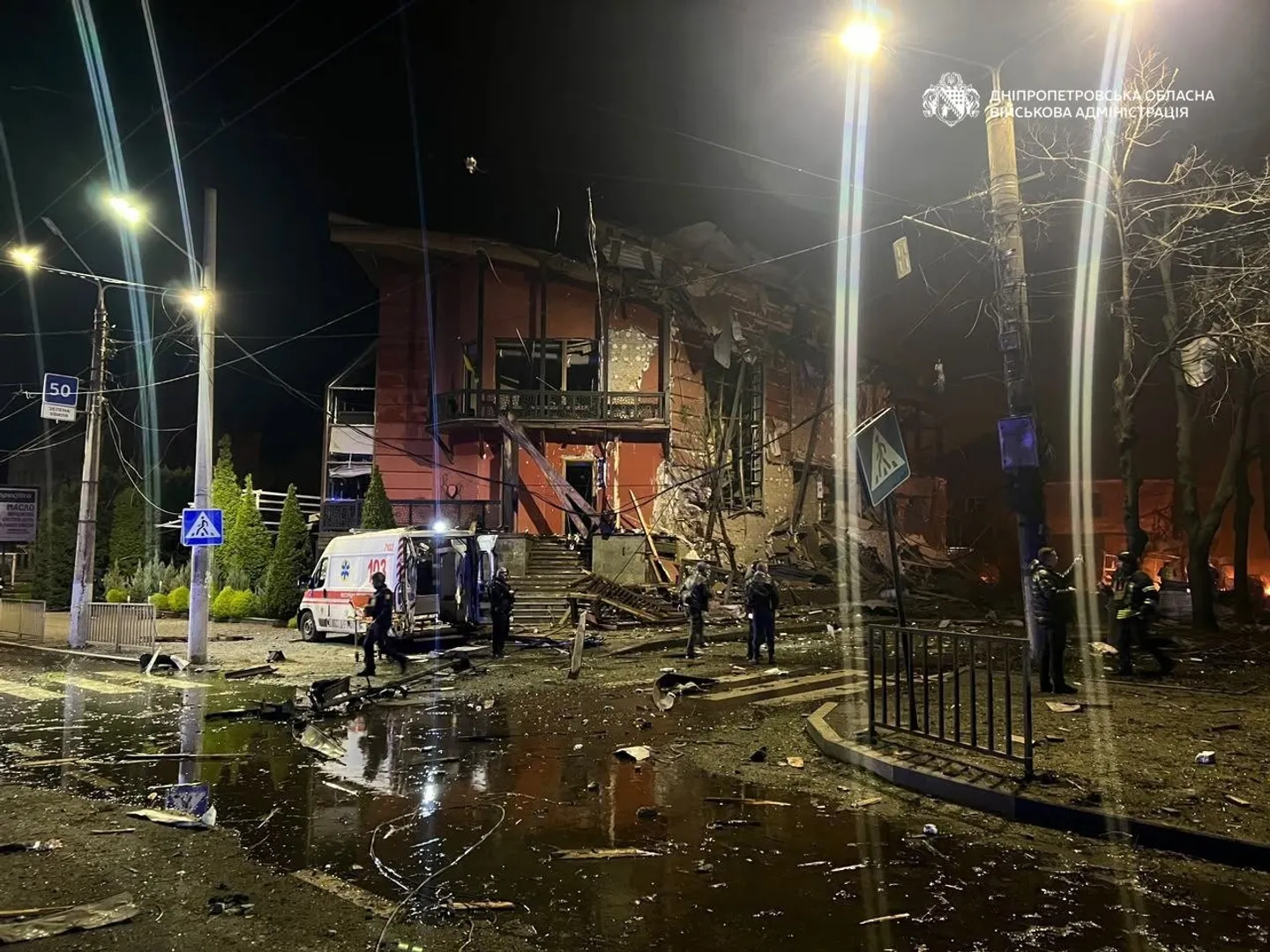
The Ukrainian military shelled residential areas in the Donetsk People's Republic 32 times over the past 24 hours, according to a statement from the department for documenting Ukraine's war crimes at the DPR head's office and government, quoted by TASS. The statement, issued on Sunday, said one civilian was killed and four more were wounded.
According to the same statement, 32 munitions of various types were fired from Ukraine. Five residential buildings, two civilian infrastructure facilities, a passenger bus, several trucks and other motor vehicles were reported damaged. The TASS report is dated 15 November, with a publication timestamp of late on 14 November.
The figures carry weight because of who is not speaking. The department issuing them is an organ of the DPR administration, which is aligned with Moscow, and the report reaches the outside world through a Russian state news agency. That does not make the account false, but it means the casualty and damage counts are a belligerent's record rather than an independent finding. No Ukrainian response, no international monitor's assessment and no detail on the locations or timing of individual strikes appear in the material. The type of munitions used is not specified, and the report does not say whether any of the damaged sites were military objectives.
Claims of this kind matter beyond the immediate toll. Both sides in the war publish daily tallies of attacks on civilian areas, and each tally serves a political purpose: to establish a record of violations, to shape how foreign governments and courts characterise the conflict, and to sustain domestic resolve. The DPR department's name makes its purpose explicit. Its numbers should be read as an allegation to be tested, not as a settled count.
What is confirmed is narrower than the headline. According to officials quoted by TASS, one civilian died and four were wounded in the Donetsk area over a 24-hour period, and a bus and several buildings were damaged. Independent confirmation of the number of attacks, the munitions fired and the identity of those killed and hurt is not available in the source material. Nor is it known whether the reported attacks were concentrated in a particular district or spread across the territory.
The wider pattern is familiar: civilian harm in populated areas of eastern Ukraine, recorded by partisan bodies on both sides, rarely produces a shared account of what happened. For readers outside the region, the practical lesson is to treat each daily report as one party's testimony. The death of a civilian is a serious matter whatever the count, and the absence of independent verification does not diminish it. It does, however, limit what can responsibly be said about responsibility and scale.