
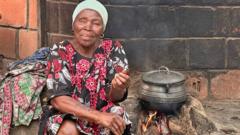
The evicted populations assert their right to a voice in decisions that directly affect their lives, highlighting fundamental issues of governance and representation.
The ongoing expansion of Abuja, Nigeria's capital, has sparked significant controversy as communities face eviction in the name of urban development. These displacements are not merely a matter of relocating individuals; they reflect deeper issues of governance, identity, and social justice. For many of those affected, their homes are not just physical spaces; they embody a rich cultural heritage and a sense of belonging that cannot be easily replaced.
As the Nigerian government pushes forward with grand plans to develop Abuja into a global city, the voices of those displaced are being drowned out by the rhetoric of modernization and progress. The evicted populations, often marginalized in the political discourse, assert their right to a voice in decisions that directly affect their lives. Their exclusion from the planning processes raises important questions about equity, representation, and the role of government in safeguarding the rights of its citizens.
Historically, urban development projects across the globe have prompted similar reactions. The pattern of evicting marginalized communities to make way for urban expansion often leads to social unrest and a fracturing of community ties. In Abuja, the urgency to create a modern capital must be balanced against the imperative to uphold human rights and ensure that all citizens feel valued and included in the national narrative.
Furthermore, the international community has a role to play in monitoring these developments. As Nigeria's economy continues to grow, the pressure to attract foreign investment and improve infrastructure will likely intensify. This presents an opportunity for international actors to advocate for policies that protect vulnerable populations and promote inclusive development. By doing so, they can help Nigeria build a capital that reflects not only modern aspirations but also the dignity and rights of its citizens.



