If patterns of life can be reconstructed from commercial data, then every deployment leaves a readable signature.
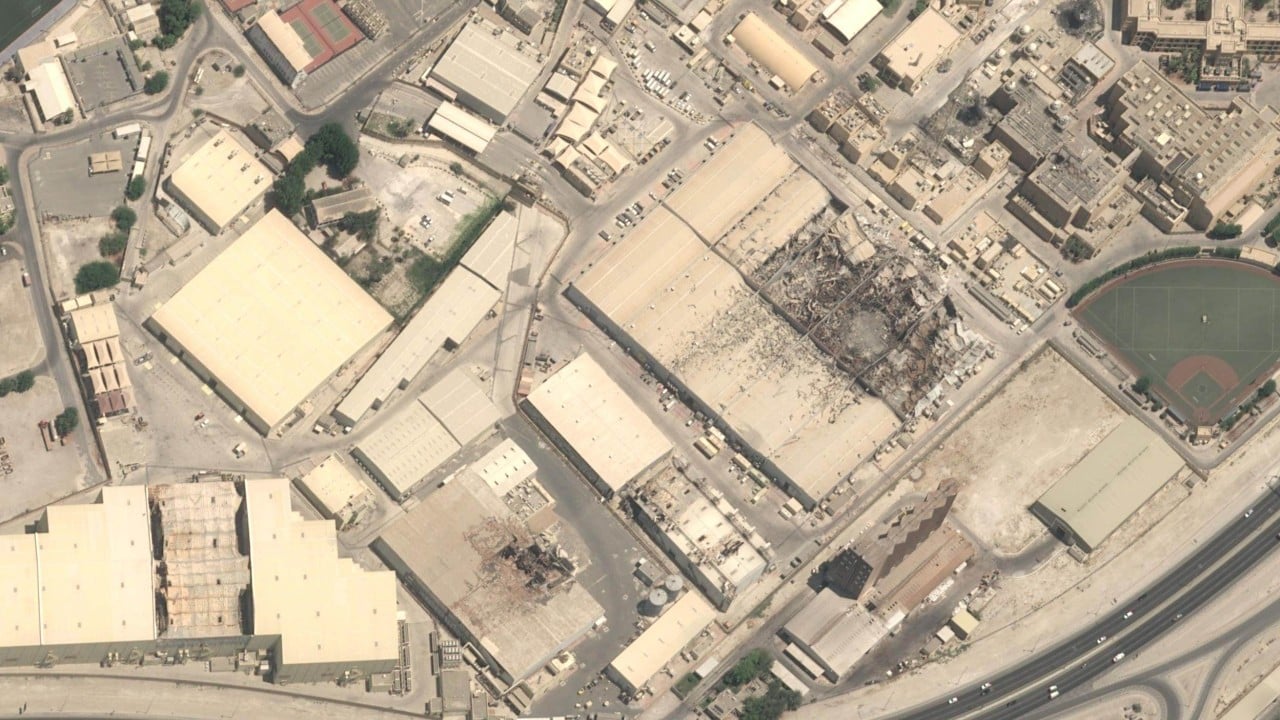
Iran's military planners built a picture of American bases across the Middle East from an unlikely source: the digital traces left by US service members themselves. According to an SCMP report citing security experts and the US military, Iran harvested data from social media accounts, fitness apps and even advertising to establish patterns of life at bases across the region. Paired with imagery reportedly supplied by Russian satellites, that material allowed the Iranians to select targets with what the report describes as a surprisingly accurate picture of the bases.
The headline claim is striking: the report says the campaign caused billions in damage. The mechanism it describes is more familiar than the scale. Fitness apps that publish routes, social media posts that reveal routines, and advertising data that discloses location all accumulate into something close to a surveillance product. Analysts have warned for years that such open sources can be aggregated into targeting intelligence. The report's contribution is to say that this is what happened, and that it worked.
The implications reach beyond one adversary. If patterns of life can be reconstructed from commercial data, then every deployment leaves a readable signature, and the burden of operational security shifts from classifying installations to managing the everyday behaviour of personnel and their families. The reported Russian role, if confirmed, would also point to a division of labour in which satellite imagery is traded for the open-source work that requires no satellites at all.
Much remains unconfirmed. The source material is a headline and summary only, and it does not specify which bases were struck, when, what the damage assessment rests on, or how the US military has characterised the findings. The identity of the security experts is not given, nor is the evidence for the Russian satellite claim. Until those details are established, the report is best read as an account of a vulnerability that militaries have long feared, now said to have been exploited at scale.