The material available is a headline and a short summary; the fuller article could not be retrieved.
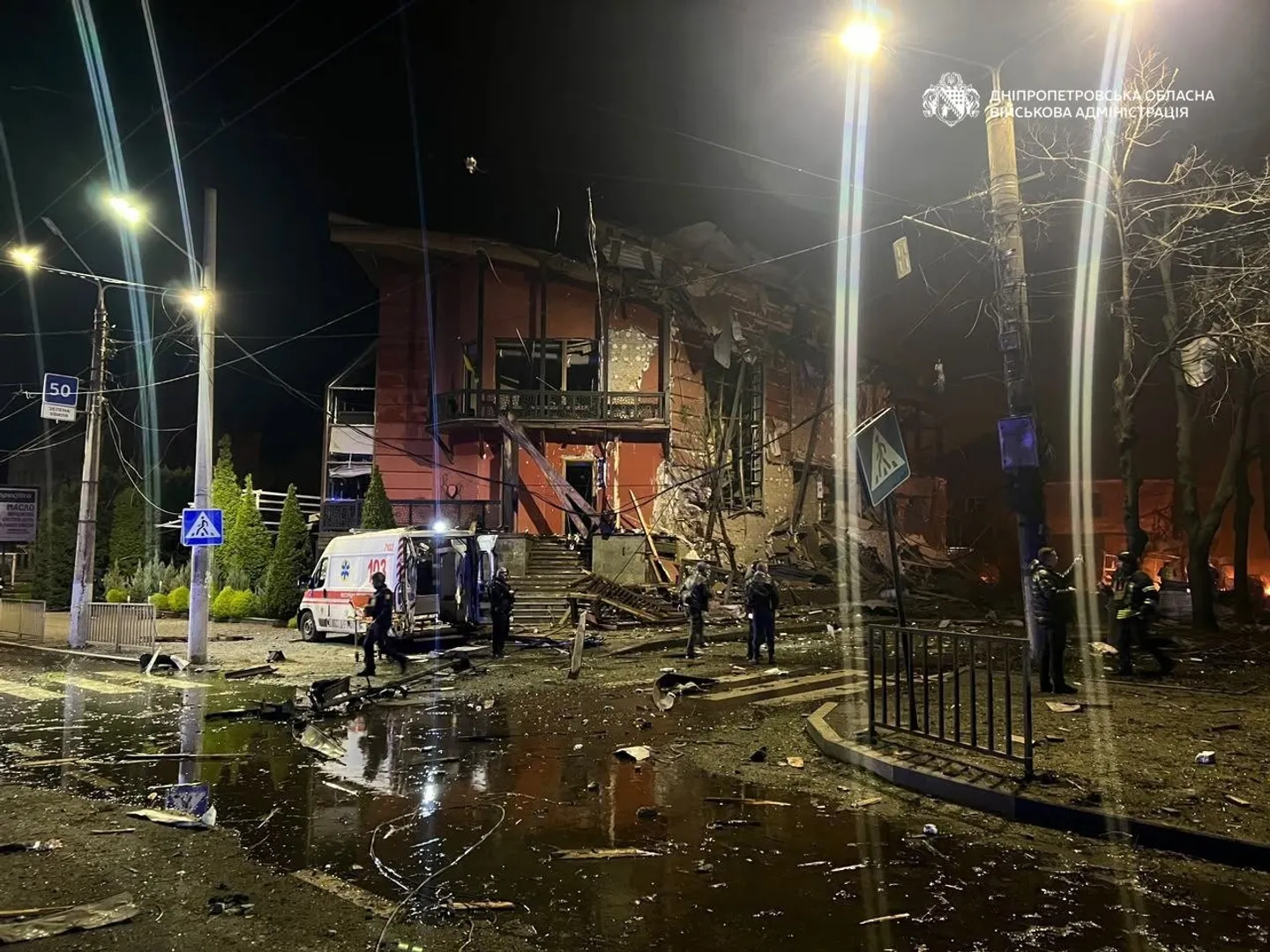
Israeli excavators have demolished homes in Zawtar al-Sharqiye, a village in southern Lebanon, according to Al Jazeera. The broadcaster's report, carried as a video news item, records the demolition itself but gives no figure for the number of buildings destroyed, no account of casualties or displacement, and no statement from Israeli officials on the reasons given for the operation. The material available is a headline and a short summary; the fuller article could not be retrieved.
That gap matters. Demolitions in southern Lebanon sit within a wider pattern of destruction that has accompanied and followed Israeli military operations across the border, and they are routinely contested in international law, which prohibits the destruction of civilian property absent military necessity. Whether this particular operation falls into that category cannot be established from what has been reported. Nor is it clear whether the village was under an evacuation order, whether residents were present, or whether the demolitions were described by the Israeli military as targeting infrastructure.
The timing is significant. Any demolition in the south will be read in Beirut and in the wider region as a signal about how far Israel intends to press its freedom of action in Lebanon, and whether arrangements meant to stabilise the border are holding in practice. Villages along the frontier have been repeatedly emptied and rebuilt, and each new round of destruction raises the cost of return and complicates any future settlement. For residents of Zawtar al-Sharqiye, the immediate question is shelter; for diplomats, it is whether such operations are isolated or part of a deliberate policy.
Faultline's assessment is necessarily provisional. The essential facts — the number of homes destroyed, the presence or absence of residents, the stated military rationale, and the response of Lebanese authorities and international observers — are not yet confirmed in the reporting available. Readers should treat the demolition as established and the surrounding circumstances as unknown until fuller accounts emerge. What can be said is that the episode will be cited by critics of Israel's conduct in Lebanon and dismissed by its defenders, and that the evidentiary record will determine which reading gains ground.