
A far weaker tremor, in other words, produced a far heavier human cost, a reminder that magnitude alone does not determine impact.
A 6.7-magnitude earthquake struck central Peru on Friday evening, causing minor damage to homes, power interruptions and landslides, but no fatalities or injuries were reported, according to the authorities. The quake occurred at 7:09 pm local time, about 30 kilometres northwest of the city of Junin, at a depth of 129 kilometres, Peru's Defence Ministry said. The US Geological Survey recorded the same magnitude but estimated the depth at 108 kilometres.
Defence Minister Rafael Belaunde said minor damage had been reported to homes in several parts of Junin, alongside electricity interruptions and restrictions on highway traffic. He added that no injuries or health impacts had been reported. The National Emergency Operation Center (COEN) said the quake was felt with moderate to strong intensity and that monitoring continued in vulnerable areas.
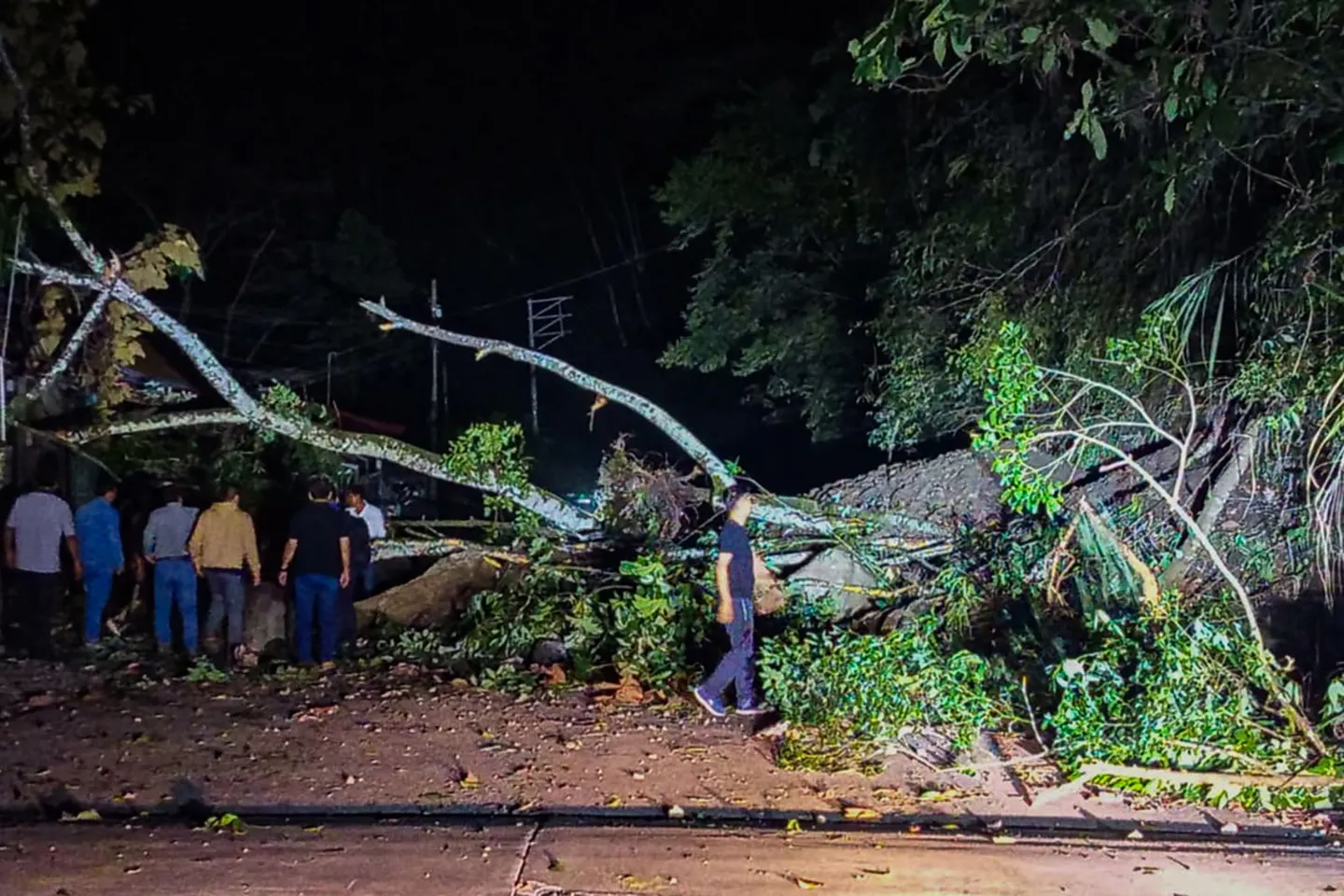
The depth of the rupture helps explain the modest toll. Hernando Tavera, president of the Peruvian Geophysical Institute, told AFP that the shaking was intense and that landslides and rockfalls had occurred on hillsides. AFP journalists in Lima reported seeing hundreds of people evacuate buildings in the Miraflores district following the tremor. The earthquake was also felt in Lima and several other regions, including Ancash, Ica, Ucayali, Cerro de Pasco, Huanuco and Callao.
The episode is a reminder of the exposure that comes with geography. Peru lies along the Pacific Ring of Fire, an arc of intense seismic activity stretching from Japan through Southeast Asia and across the Pacific basin. Seismologists say the country experiences at least 400 earthquakes annually, around three-quarters of which are too weak to be felt by people. Most pass without consequence; the ones that do not can be devastating.
The comparison with recent history is sobering. A 5.1-magnitude earthquake in the Junin region in July killed six people, injured 32 and destroyed 52 homes. A far weaker tremor, in other words, produced a far heavier human cost, a reminder that magnitude alone does not determine impact. Depth, building quality and the proximity of settlements to slopes and fault lines all shape the outcome.
What is not yet known is the full extent of structural damage in outlying districts of Junin, where assessments were continuing. The authorities have not published a consolidated damage figure, and the discrepancy between the two depth estimates, 129 kilometres by Peru's Defence Ministry and 108 kilometres by the USGS, has not been explained. Whether the landslides caused disruption beyond the highway restrictions reported so far is also unclear. For now, the official account is one of a strong quake that Peru absorbed without loss of life.



