
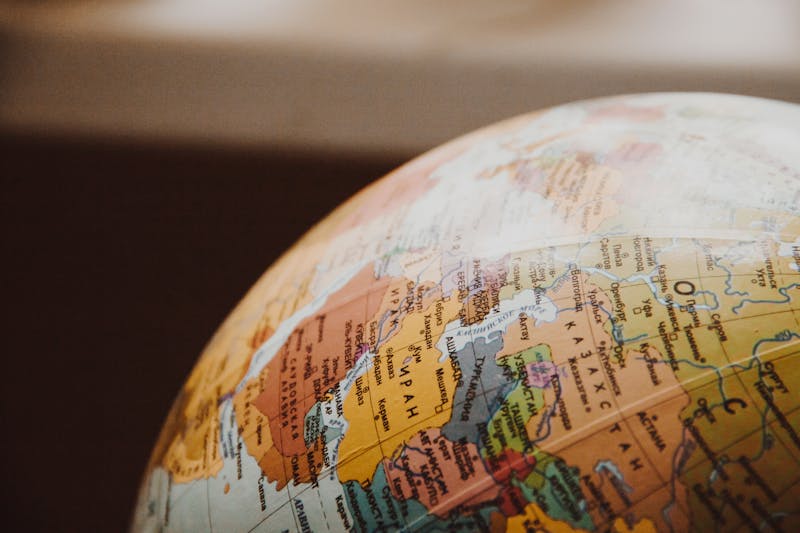
Words perform a dual function: they are tools for communication but also instruments of power, shaping narratives and influencing policy decisions.
The Iran war, a multifaceted and deeply entrenched conflict, is not just defined by its geopolitical ramifications but also by the language that surrounds it. To navigate the complexities of this conflict, it is essential to understand the lexicon that has emerged and evolved over time. Words such as 'sanctions,' 'proxy,' 'nuclear,' and others carry significant weight and connotations that influence public perception, policy-making, and international relations.
Understanding these terms is critical for policy analysts and decision-makers who strive to grasp the nuances of the situation. For instance, 'sanctions' typically refers to economic measures imposed by one or more countries against Iran, aimed at curbing its nuclear ambitions and regional influence. The implications of sanctions extend far beyond economic hardship; they shape diplomatic relations and have profound social consequences within Iran itself.
Another term that is pivotal in discussions about Iran is 'proxy.' This word encapsulates the intricate web of alliances formed during the conflict, where Iran is often perceived as supporting non-state actors in various regions, from Hezbollah in Lebanon to Houthi rebels in Yemen. The use of this term highlights the asymmetrical nature of modern warfare, where state and non-state actors blur the lines of accountability and complicate conflict resolution.
Furthermore, the word 'nuclear' serves as a critical focal point in international discourse about Iran. The nation's nuclear program has long been a contentious issue, drawing ire from Western powers while being framed by Iran as a sovereign right to develop peaceful nuclear energy. This dichotomy illustrates the broader struggle for self-determination versus external pressures, a theme that resonates throughout the history of the region.
As the situation continues to evolve, the importance of language in shaping our understanding of the Iran war cannot be overstated. Words perform a dual function: they are tools for communication but also instruments of power. They can either facilitate understanding or deepen division, depending on their usage within diplomatic dialogues and media narratives. For policymakers and scholars alike, a nuanced grasp of these terms is essential for developing effective strategies that address the realities of the conflict.



