A free Sunday session can open the door to the water, but it cannot by itself fund a board of one's own, let alone travel to competitions elsewhere.
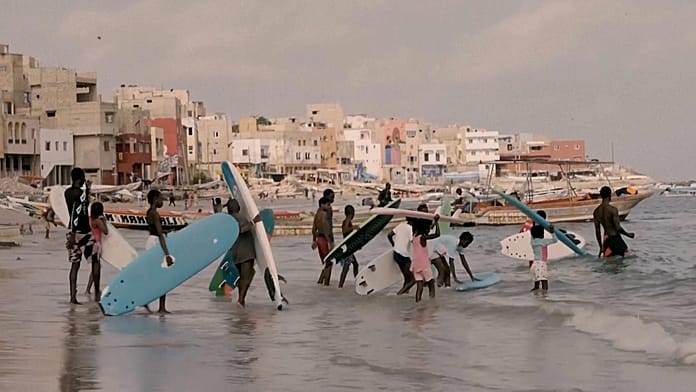
On the beaches of Ngor, a traditional Lebou fishing village on Dakar's northern coast, a new generation of young surfers is learning to ride Atlantic waves. According to Euronews, local volunteers at Anda Surf help neighbourhood children find their balance, stand on their boards and build confidence in the water. Alongside paid lessons, the school offers free surfing sessions to local children every Sunday.
The timing is pointed. Senegal is hosting the Youth Olympic Games, described by Euronews as the first Olympic sporting event on African soil. Surfing features among ten non-medal engagement sports at the Games, giving young athletes a platform to make their mark. For a fishing community on the capital's edge, that visibility matters as much as the sport itself.
The obstacles are practical rather than cultural. Euronews reports that expensive equipment, limited resources and the cost of competing abroad remain major barriers. Boards are often shared, and many young surfers lack suitable clothing. A free Sunday session can open the door to the water, but it cannot by itself fund a board of one's own, let alone travel to competitions elsewhere.
That gap is where the story becomes more than a local curiosity. Surfing is gaining popularity along Senegal's coastline, according to the report, and the Youth Games give the trend an international frame. Hosting an Olympic event brings attention and, potentially, investment in facilities and coaching. Whether that attention reaches a volunteer-run school in Ngor is a separate question, and one the report does not answer.
What the material does not establish is equally worth noting. It gives no figures on how many children attend Anda Surf, no details of funding or sponsorship, and no indication of how Senegal's surfing infrastructure will be developed after the Games. Nor does it say what legacy, if any, the Youth Olympic engagement sports are expected to leave behind. Those are the questions that will determine whether Dakar's surf scene grows beyond shared boards and Sunday lessons.
For now, the school's significance is modest and concrete. It puts local children in the water on a coastline that has long drawn outsiders, and it does so while the country holds the Olympic spotlight. The harder work, of equipment, resources and the cost of competing abroad, lies ahead.