That combination — high demand, difficult ground and a narrow margin for error — is what gives a single accident at a remote helipad its wider significance.
Two helicopters collided while coming in to land at the Pheriche helipad in Solukhumbu district in Nepal's Everest region on Tuesday, killing a foreign tourist and injuring another person, according to TRT World citing local media and police.
The aircraft involved were a Fishtail Air helicopter and an Air Dynasty helicopter, the report said. According to local media, the tourist who died was aboard the Fishtail Air machine, while a pilot was injured. Nabin Raja Budhathoki, in charge of Solukhumbu District Police, told AFP that "one foreigner is dead on the spot, and another injured person has been taken to the hospital." He gave no further details. Police confirmed to AFP that a foreign national was killed and another person was injured. The report did not name the dead tourist, the injured pilot or their nationalities, and it did not say how many people were aboard either helicopter.
The circumstances of the collision are not yet established. The report describes the two small helicopters crashing into each other as both came in to land on a snowy site, but it offers no account of the sequence of events, of radio communications, of visibility at the helipad or of the weather at the time. Whether the accident will be treated as a matter for Nepal's civil aviation authorities, and what form any investigation might take, is not stated in the material available. These are the questions that will determine what the incident means for operators and for the tourists who rely on them.
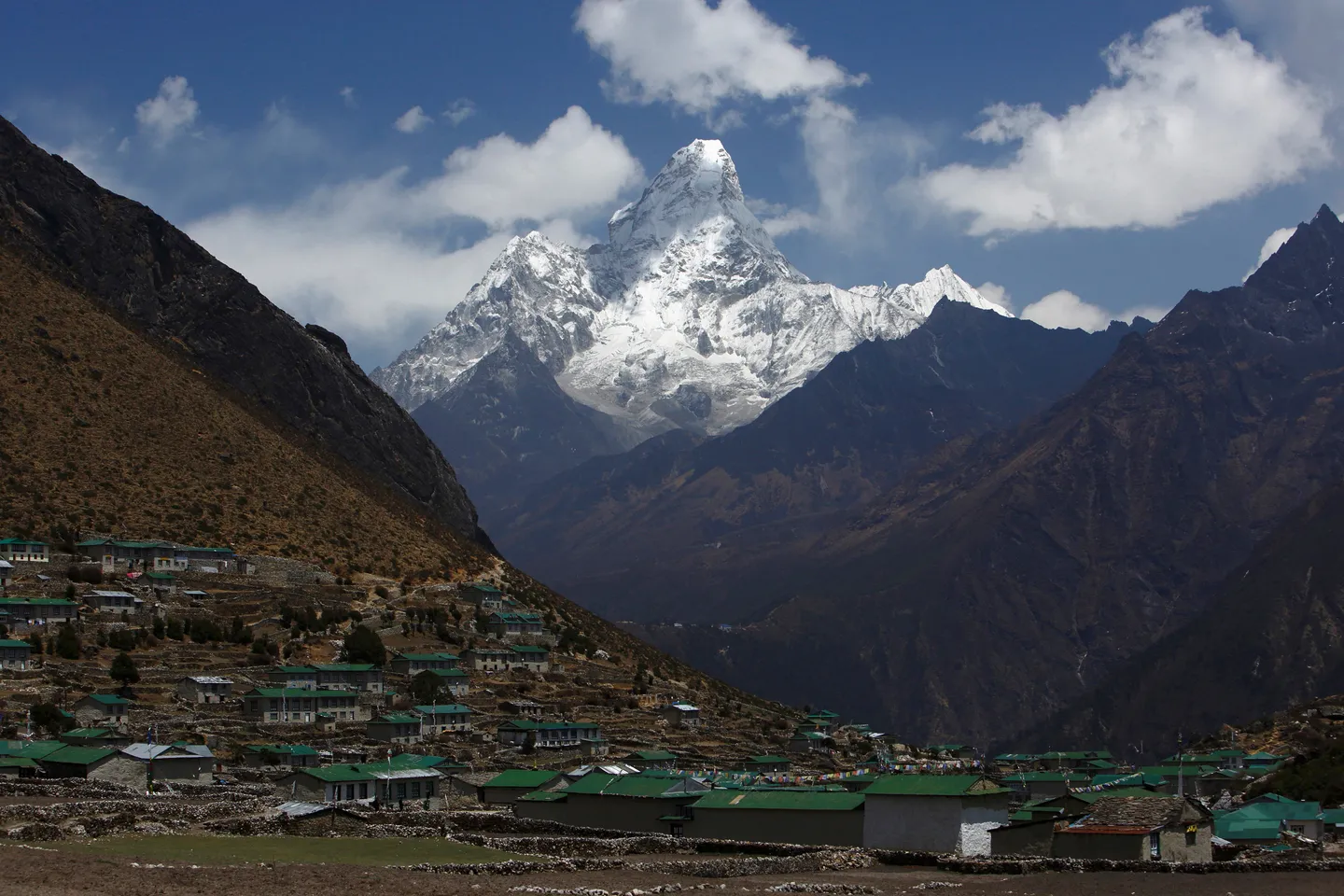
What the report does make clear is the wider context in which the accident occurred. Small helicopters are widely used in the Himalayan nation to transport tourists, climbers and supplies, as well as to carry out emergency evacuations. The country's challenging terrain and rapidly changing weather conditions make aviation operations particularly hazardous, according to the report. Nepal is home to eight of the world's 14 highest mountains, including Mount Everest, and attracts thousands of foreign climbers and trekkers every year.
That combination — high demand, difficult ground and a narrow margin for error — is what gives a single accident at a remote helipad its wider significance. Helicopter access underpins the trekking and climbing economy in the Khumbu region and provides the main means of rapid evacuation when climbers or trekkers fall ill or are injured at altitude. Any accident that raises questions about landing procedures at high-altitude sites touches both the safety of passengers and the viability of the services on which the region depends.
For now, the confirmed facts are limited: two named operators, one dead foreign tourist, one injured person taken to hospital, and a police account that stops there. Further details on the cause, on the condition of the injured and on any regulatory response have not been reported. Until they are, the incident stands as a reminder of the risks built into aviation in the high Himalayas rather than as evidence of any specific failure.