
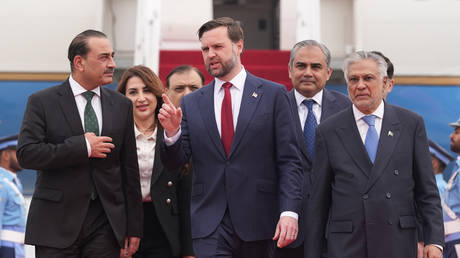
The disconnect between U.S. and Iranian interests highlights the futility of oversimplified narratives surrounding these vital negotiations.
The recent talks between Iran and the United States in Islamabad have stirred significant debate and misunderstanding among political analysts and observers alike. Despite initial optimism regarding the potential outcomes, a closer examination of the diplomatic landscape reveals a multifaceted scenario that challenges the prevailing narratives.
At first glance, the engagement may appear as a straightforward effort to thaw relations between the two nations, which have been historically fraught with tension. However, the context surrounding these negotiations is far from simplistic. The talks were framed within a broader geopolitical strategy, reflecting not only the bilateral issues at hand but also the regional dynamics involving key players such as Saudi Arabia, Israel, and Russia.
Moreover, U.S. and Iranian interests diverge significantly on critical issues such as nuclear proliferation and regional influence. While the Biden administration has sought to revive the Joint Comprehensive Plan of Action (JCPOA), Iranian leaders remain skeptical, viewing concessions as insufficient without the removal of sanctions and guarantees against future U.S. withdrawal. This disconnect has been largely overlooked in mainstream narratives that emphasize the potential for rapprochement.
Furthermore, the choice of Islamabad as a venue for these talks is not incidental. Pakistan's strategic positioning and its historical ties with both Iran and the United States add a layer of complexity. Islamabad's role as a mediator reflects its aspiration to be a pivotal player in regional diplomacy, although this ambition may also invite scrutiny and skepticism from various factions within its own political landscape.
In conclusion, while the Iran-US talks in Islamabad hold the promise of a new diplomatic chapter, they are fraught with challenges and misunderstandings that must be carefully navigated. The intricacies of this dialogue underscore the necessity for nuanced analysis and informed policy responses that take into account the broader geopolitical tapestry.



