
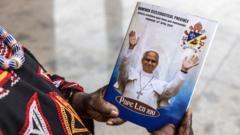
The Pope’s visit not only symbolizes a potential moral intervention but also represents an opportunity for renewed diplomatic efforts.
The recent announcement by separatist groups in Cameroon to pause hostilities as Pope Francis prepares to visit is a significant yet precarious development in the region's protracted conflict. For years, the Anglophone crisis has embroiled Cameroon in unrest, with armed groups vying for independence from a predominantly Francophone government. The Pope's visit, scheduled for next week, serves as a beacon of potential reconciliation but also underscores the complexities of negotiating peace in an environment rife with historical grievances and socio-political divisions.
This temporary ceasefire, while ostensibly a gesture of goodwill towards the Pontiff, reflects deeper dynamics at play within the conflict. The separatists, who have long sought international attention for their plight, may perceive this visit as an opportunity to amplify their cause on a global stage. Conversely, the Cameroonian government's response to calls for dialogue remains uncertain, as it grapples with its own political imperatives and the need to maintain authority in the face of separatist aspirations.
The backdrop of this ceasefire is critical to understanding its implications. The Anglophone regions, which include the Northwest and Southwest, have experienced widespread violence since 2016, exacerbated by the government's heavy-handed approach to dissent. Schools have been shuttered, communities displaced, and thousands of lives lost, creating a humanitarian crisis that the international community can no longer overlook. Thus, the Pontiff's visit not only symbolizes a potential moral intervention but also represents an opportunity for renewed diplomatic efforts.
However, the effectiveness of this pause in hostilities hinges on the reactions of both the separatist factions and the Cameroonian state. The truce could pave the way for negotiations, but it could also devolve into a mere tactical maneuver by the separatists to gain leverage. Stakeholders, including the UN and regional actors, must monitor developments closely, advocating for sustained engagement rather than fleeting gestures. The Pope’s presence, while a source of hope, must be coupled with a genuine commitment to addressing the root causes of the conflict to foster lasting peace in Cameroon.



