
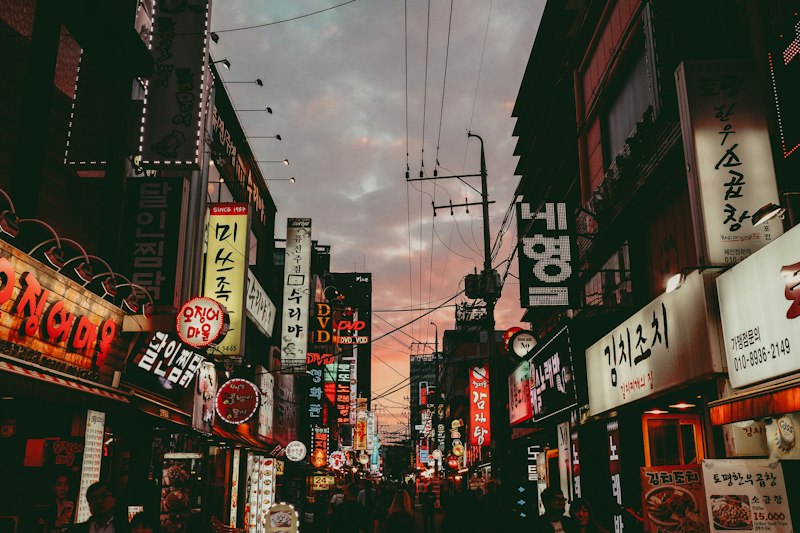
The return of BTS to the global stage serves as a pivotal moment for South Korea’s broader soft power strategy, positioning the nation as a leader in the cultural landscape.
The return of BTS to the global stage with their much-anticipated comeback tour serves as a pivotal moment not only for the K-pop phenomenon but also for South Korea’s broader soft power strategy. In an era where cultural diplomacy plays an increasingly critical role in international relations, BTS stands at the forefront, wielding immense influence that transcends geographic and linguistic boundaries. Their music and message resonate with millions, effectively positioning South Korea as a leader in the global cultural landscape.
Soft power, as conceptualized by Joseph Nye, refers to the ability to shape the preferences of others through appeal and attraction rather than coercion or payment. BTS, with its diverse fanbase and impactful narratives, embodies this principle. The group’s lyrics often engage with themes of mental health, self-acceptance, and social justice, resonating particularly with younger audiences around the world. This cultural connection not only enhances South Korea's image but also fosters a sense of community and shared values among its many admirers.
As BTS embarks on their tour, it is essential to recognize the strategic implications of their global appeal. The South Korean government has long understood the value of cultural exports, viewing them as a vital component of its national branding. The success of K-pop has not only brought economic benefits through concert revenues and merchandise sales, but it has also bolstered tourism, with fans traveling to South Korea to immerse themselves in the culture that produces their favorite artists.
Moreover, the significance of BTS extends beyond mere entertainment; it acts as a diplomatic tool. The band’s global reach allows South Korea to engage in cultural diplomacy, forging connections that can influence political and economic ties. Events like the recent UN speech by BTS, where they advocated for youth empowerment and mental health awareness, illustrate how the group utilizes its platform to address critical global issues, aligning South Korea’s cultural identity with progressive values.
In conclusion, the comeback of BTS signifies more than just a musical event; it is a reflection of South Korea’s strategic use of soft power to enhance its global standing. As the nation continues to navigate the complexities of international relations, the cultural resonance of BTS may serve as a crucial asset in promoting South Korea’s values and interests on the world stage.



