On the evidence available, the government has secured the behaviour it asked for without the disruption it feared.
British shoppers have been adding bottled water, tinned goods and hand sanitiser to their weekly baskets since the government launched its Be Ready campaign, according to grocery data reported by The Guardian. The figures suggest the advice was heard without triggering the empty-shelf scrambles that have marked past crises.
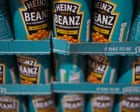
Worldpanel by Numerator, in its monthly grocery report for Great Britain, recorded a sharp rise in essentials in the ten days after the campaign began. Sales of hand sanitiser rose 83% against the same period a year earlier, bottled water 67% and tinned and jarred goods 37%. The number of shoppers buying tinned meat each day rose 43%, equivalent to an extra 400,000 a day, though the typical pack size stayed at about 500g.
The distinction matters. Fraser McKevitt, head of retail and consumer insight at Worldpanel by Numerator, said shoppers clearly took notice of the campaign, but that this was not panic buying, with fewer than a third of households buying bottled water in October. Growth came from more people adding the recommended items to their normal shop rather than from shoppers piling trolleys high — which, he noted, is very much in line with what the government wanted households to do.
The campaign encourages households to prepare for up to three days of disruption to essential services from incidents such as cyber-attacks or extreme weather. Separate research from Barclays last week found 27% of people were stockpiling, or considering accumulating, food and drink. It also found a generational gap: 31% of 18- to 34-year-olds said they had enough food and drinking water to last at least three days, against 53% of those aged 55 and over. Shoppers also bought more batteries, torches, toiletries and medicines.
The retail backdrop is more ordinary. Grocery inflation picked up to 2.6% in the four weeks to 1 November, from 2.5% the previous month, after slowing in the summer. McKevitt noted that household budgets had already taken a hit from the latest rise in the energy price cap, which arrived with the cold weather in October. Grocers' sales rose 2.2% year on year in October. Lidl overtook Morrisons to become Britain's fifth-biggest grocer with 8.6% of the market against 8.3%, while Asda was the only big grocer to record a fall, of 0.5%, leaving its new chief executive, David Potts, with a clear task.
What the data cannot show is whether the stockpiling reflects durable household resilience or a passing response to publicity. The figures cover a short window and a limited basket of goods, and they say nothing about whether preparedness is sustained through the winter. Nor is it confirmed how far the campaign itself, rather than wider anxiety about costs and services, drove the change in behaviour. On the evidence available, the government has secured the behaviour it asked for without the disruption it feared. Whether that holds is not yet known.